What Is The Purpose Of Crypto Mining, And Why Creeps Are Hijacking Your PC
What Is The Purpose Of Crypto Mining, Anyway?
Your laptop fan roaring like a confused bear? That might be crypto mining. But what is the purpose of crypto mining in a normal, non-creepy world? It keeps the blockchain honest by validating transactions. I want to walk through this in plain words so you get it, and so you can spot when some creep is riding your machine for free.
The short version: what crypto mining does is validate and record transactions on a blockchain. Miners run math puzzles. The first to solve one gets to add a block of trades to the chain and earns new coins. It's not just free money, it's the thing that keeps the system from lying to itself.
How Mining Validates The Blockchain
Crypto miners are tools that "mine," or make, new units of a coin like Bitcoin. They do this by finishing math puzzles called proof of work. The puzzle isn't there for fun. It adds, secures, and checks trades on the blockchain. Every single trade and who owns what is written in that chain.
The blockchain is run by miners with strong computers. They tally trades and make sure the info is real. Think of them as auditors paid in crypto. Without mining, the system could not stay honest. That's the core answer to what crypto mining is for.
You can think of miners as auditors who are paid for their work in crypto. Mining crypto is the process of validating transactions on the blockchain, otherwise the system could not stay honest.
What The Miner Crypto Machine Actually Does
A miner crypto machine is just a computer built to do one job fast: guess answers to the puzzle. Every ten minutes, mining computers grab a block of waiting Bitcoin trades and turn it into a math problem. They race. Whoever wins gets new coins plus the trade fees.
Back when Bitcoin started in 2009, a normal PC could win. Now it takes warehouses of power-hungry rigs. The more people race, the harder the puzzle gets. That's why your fan sounds like a bear if a creep puts a miner on your laptop: it was never made for this.
The Best Crypto Miners For Mining At Home
Some folks ask about the best crypto miners for mining at home . The truth is, home mining mostly died for Bitcoin years ago. The puzzle is so hard that a normal GPU loses money on power. A few smaller coins still let a person mine at home with a graphics card.
If you do run a mining rig used at home, watch your power bill. The rig eats watts all day. And don't let anyone else put their miner on your box. That's not sharing, that's theft of your CPU.
Crypto Miner Farms And Big Operations
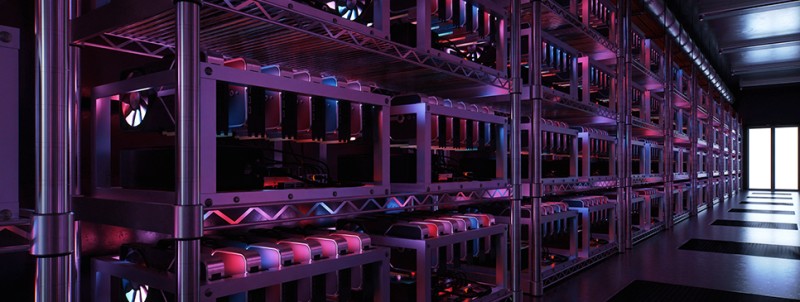
A crypto miner farm is a building full of rigs. Some use more power in a day than a U.S. home does in two years. Texas alone has mines pulling huge megawatts from the grid. These farms chase cheap power and will move if the price goes up.
The big farms say they help the grid by shutting off in peaks. Maybe. But they also push up power rates for neighbors. When mines came to one town, resident bills jumped. That's the ugly side of scale.
Proof Of Stake As A Different Way
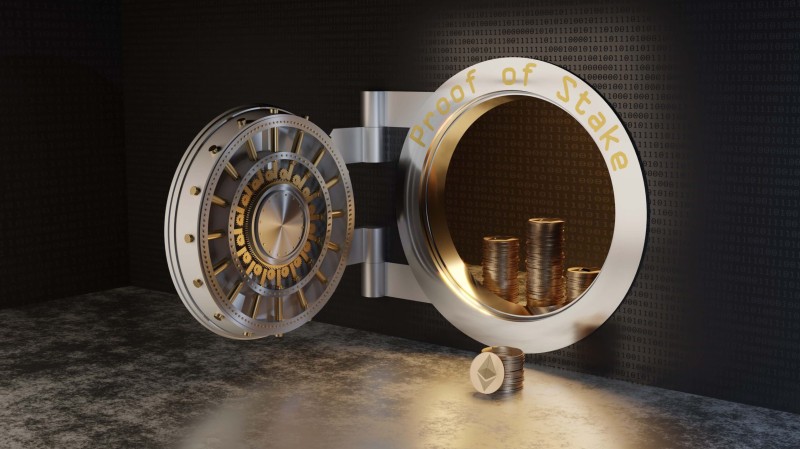
Not all chains use mining. In 2012, a paper shared proof of stake as a fix to mining's power use. By 2013, Peercoin used it. Later, Ethereum switched to staking. With staking, you lock coins to get picked to validate. No math race, no bear fan.
how does blockchain technology work stays the same in both: trades get checked and added without a bank. PoW does it with puzzles. PoS does it with locked coins. Both keep the chain honest, just with different costs.
Whether a blockchain uses the PoS or PoW consensus mechanisms, both processes provide a way to verify and secure blockchain transactions without the need for an intermediary like a bank or payment processor.
Legit Cloud Mining And Cloud Mining Services
Some sites sell legit cloud mining where you rent rig time far away. And cloud mining services can be real if the firm is known and shows proof. But many are scams. If a site promises huge returns for no work, walk away.
AWS and other clouds ban secret mining. You need written okay. If someone mines on a cloud account without permission, it's abuse. The bill can hit thousands and the box can slow to a crawl.
Cryptojacking: Creeps Riding Your PC
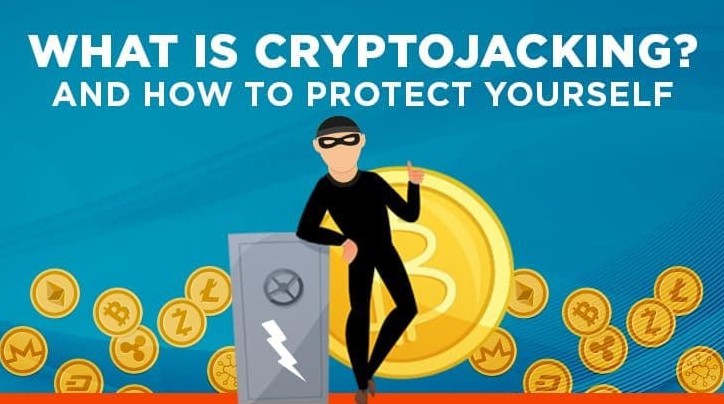
Crypto mining is not bad by itself. But bad actors abuse it. They break into servers or sites and install miners. The miner makes coins for them while your CPU screams and your power use jumps. That's cryptojacking, plain and simple.
One famous case was Coinhive, a script that mined Monero on sites without clear okay. It spread fast in 2017. A simple cryptojacking definition is stealing CPU cycles to mine coin. If your fan won't stop, check for this.
Signs Your Machine Is Hijacked
- CPU spikes for no reason you can see.
- Fan runs constant like a confused bear.
- Computer feels slow doing nothing.
- Site or ad runs strange scripts.
How To Spot And Block Cryptojacking
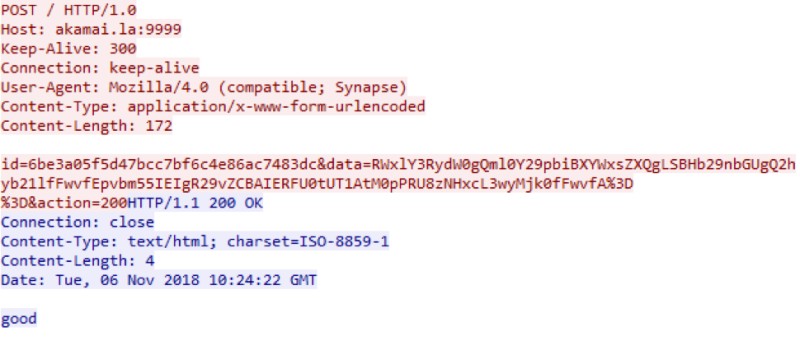
To detect it, watch for spikes and weird network calls to mining IPs. On a server, set alerts on CPU base line. For your browser, add a blocker like No Coin or MinerBlock. An ad blocker helps too, since some ads carry miner code.
Train folks not to click odd links. Phishing is how many miners land. And keep endpoints patched. Hey, don't skip this part: a free miner on your box is someone else's profit at your cost.
Since one avenue for delivering cryptomining code to the target is via phishing, users should be trained regarding how to spot phishing campaigns and what to do if a phishing attack is suspected.
What Does Cryptocurrency Means
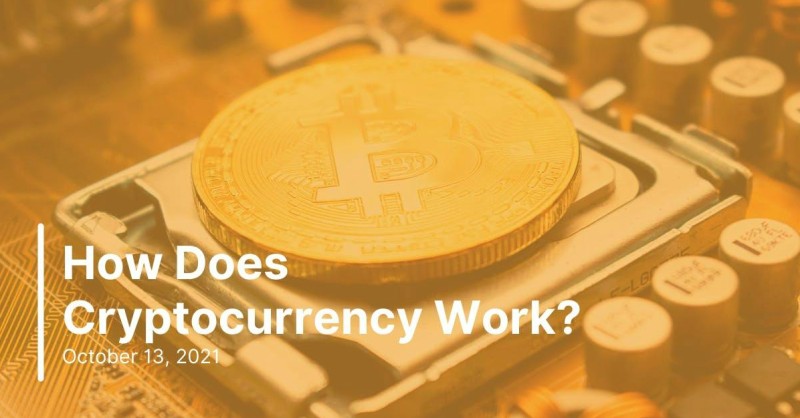
So what does cryptocurrency means ? It's a digital coin where trades are checked by a network of computers, not a bank. The record lives on a blockchain. Some coins like Monero hide who trades. That pulls in crime.
Most trades are legit. One study found a tiny share tied to crime. But the hidden ones get attention. And the same mining that secures coins can be twisted to steal your cycles.
Energy And The Environment
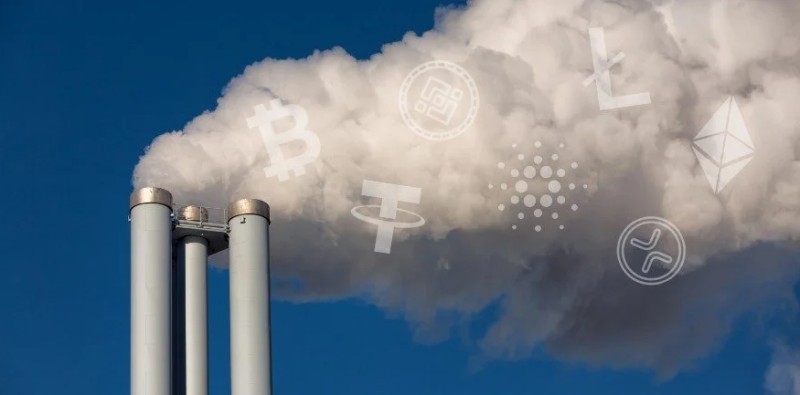
Mining eats power. A one-megawatt mine uses more a day than a home in two years. World use has passed the annual draw of some whole countries. Most power comes from fossil fuel, so the mines make a lot of CO2.
Some firms use nuclear or claim green power. But one firm got most of its added grid power from fossil fuel. Mines also make noise, heat, and e-waste. Nearby towns feel it first.
Power Prices And The Great Migration
When mines show up, power rates can climb. One state saw resident bills rise a lot after mines came. Mines move easy, so they often leave if rates go up. China once hosted most mining, then banned it. The U.S. took the lead after.
States now fight over rules. Some block new carbon-based mines. Some pass "right to mine" laws. It's a mess of push and pull, and the user pays either way.
Binary Crypto And Mining Code
The binary crypto is just the compiled code that runs the miner. Attackers drop it through scripts or bad images. One hack used a Docker image with a miner binary pulled over a hundred thousand times. That's how fast abuse spreads.
If you run cloud boxes, check for unknown images and odd user agents. Guard tools can flag calls to mining pools. Turn on runtime checks so you see the miner before the bill does.
Centralization And The 51 Percent Problem
Mining power can pool in few hands. If one group holds most, they can rewrite trades. That's a 51 percent attack. Bitcoin is safe due to huge total power. Small coins can be attacked cheap.
Vertcoin tried to stop big rigs but still got hit. A special ASIC gave the attacker the edge. The arms race for power just wastes energy and pushes control to a few.
Critiques Of Mining Power
- Issuance favors those with rig money.
- Fees can be set by miners for rent.
- Chain size slows confirmations.
- Massive power use hurts climate.
Why Your Fan Sounds Like A Confused Bear
If your fan sounds like a confused bear, something is eating cycles. Could be a creep miner. Open your task tool and look for odd processes. A blocker in the browser stops most web miners cold.
Don't just ignore it. The miner slows your work and bumps your power. Kick the hijacker off and take your CPU back. That's the real point of knowing what crypto mining is for: honest chain, not free ride for creeps.

Staking Rewards And Holders
In staking, you lock coins and may get picked to validate. Rewards vary by chain. Some pay a few percent, some more. But the coins are locked, so you can't sell if price drops. That's a real risk to weigh.
Staking spreads influence like mining spreads hash power. It keeps the chain safe without the bear fan. But it still needs honest people running the software.
Regulation And Crime Context
Since Bitcoin launched in 2009, crypto built new markets. Most use is legit. But the same tools help dark trades and scams. Rules now treat coin services like banks in many places.
Crypto is not secret, just pseudonymous. Trades show on a public chain. If a wallet links to your name, spies can watch. That's the trade-off of an open ledger.
Cryptocurrency is not anonymous but pseudonymous. Users' balances and transaction histories are associated with unique addresses-public keys-and are easily viewable on public blockchains.
Comments on “What Is The Purpose Of Crypto Mining, And Why Creeps Are Hijacking Your PC”
No comments yet. Be the first to share your thoughts.