
- Solo mining: no pool fees, no steady income, yes to block fees, big lottery feel.
- Pool mining: yes pool fees, steadier income, block fees depend on pool, no lottery.
- Solo needs your own full node and direct chain talk.
- Small pools still won’t pay steady, since they hold little total hash power.
What Crypto Mining Is, and How It Hides in Your Code
28 September, 2026
0 comments
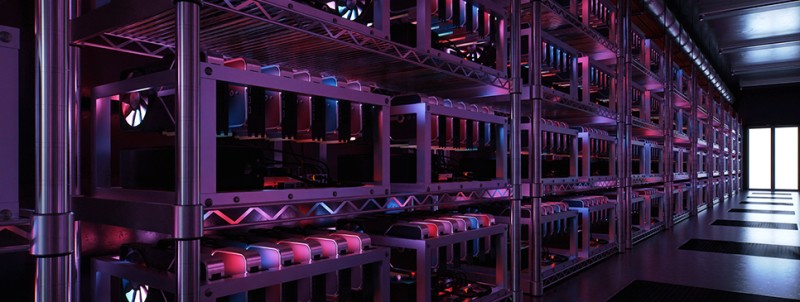
What Crypto Mining Is, and Why It’s Sneaky
You’ve probably heard the buzz but aren’t totally sure what crypto mining is. I wasn’t either at first. The picture in my head was a tiny pickaxe chipping at a laptop. That’s not it. what crypto mining is for comes down to one plain job: people use computers to check and write down who sent what coins on a blockchain.
The source calls it proof of work. Miners run math puzzles. The first one to solve it gets to add a new block to the chain and earns new coins. It sounds like a game, but it keeps the whole system from letting the same coin get spent twice. That part matters more than the coins, honestly.
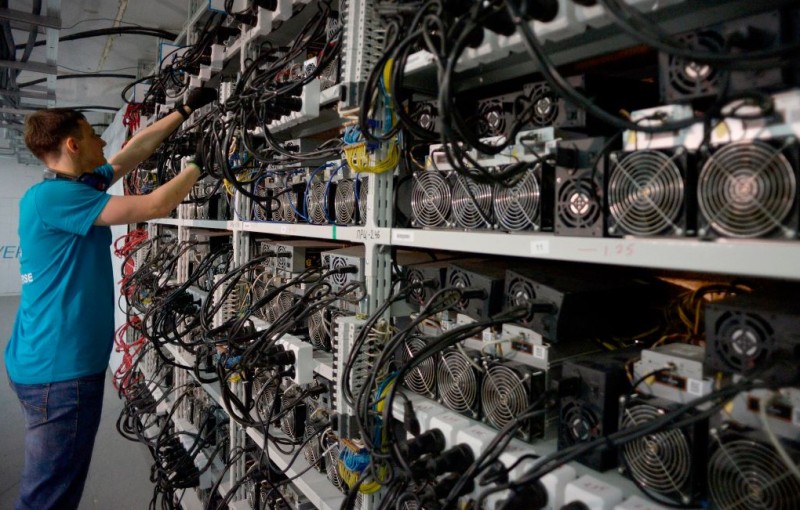
When Bitcoin started, just about anyone could mine on a home PC. That changed fast. By 2013, special machines called ASICs showed up, built only to mine. After that, solo digging on a normal computer was pretty much dead for Bitcoin. The miner crypto machine you need today is loud, hot, and pricey.
How the Basic Mining Process Works
A miner sets up gear, often a bunch of GPUs or an ASIC. The machine runs code that tries to solve a hash. A hash is just a short digital fingerprint of some data. The network only trusts blocks where the miner actually cracked the right hash.
Each block points back to the block before it with its own hash. That makes one long chain. If someone tries to fake a block, the chain breaks and the other computers reject it. This is why peers can check if a block is real without asking a bank or a boss.
Mining is the method by which consensus is achieved on proof-of-work blockchains like Bitcoin.
The more computing power you throw at the puzzle, the better your odds. That’s why the race got so loud and so hot. A small operator with one fan in the corner doesn’t stand much chance next to a room full of machines.
What Crypto Mining Means for the Ledger
Some folks think what cryptocurrency means is just magic internet money. At the base, it’s a list of who holds what. When you pay someone, the list must show your balance going down and theirs going up. The hard part is doing that without a central bookkeeper.
Mining fixes this by letting only verified miners write to the ledger. They get paid in new coins for the work. That reward is what pulls people in, but the real point is keeping the record clean. Without miners, the whole thing falls apart.
This setup has no boss. No company decides who wins the block. The network just trusts the math and the energy spent. It’s weird, but it works as long as no one group gets too much control.
Solo Mining vs Pool Mining
Solo mining is just you, your node, and your rigs trying to win a block alone. Satoshi’s old idea was “one CPU, one vote.” Cute, but not how it played out. On a busy chain like Bitcoin, going solo is mostly a lottery you’ll probably lose.
Pool mining is different. A group of miners joins forces. The pool operator runs a big node. Everyone gets a slice of the reward when the pool wins. It’s steadier than solo, which is why most people do it now. The first pool opened back in November 2010.
Key differences
Solo mining and pool mining are very similar. The main difference is that at solo mining the miners are individuals that attempt to confirm the blocks with a bit of a gambling problem whereas at pool mining the miners are working together to have a steady and secured stream of earnings.
Bob with ten rigs is still solo if he keeps them to himself. The moment he lets outside users hook to his node, he’s a pool and has to split earnings by shares. That line is thinner than people think.
Mining Pools: Overview and Operation
Most miners today join a pool. Alone, you might wait years for one block. In a pool, the group finds blocks often and splits the take. The pool hands each miner a set of “nonces” to guess. Each guess burns power. When someone hits the answer, the reward gets shared.
Some big pools hold a scary amount of the network. Two of them, Foundry and AntPool, have held over half the total Bitcoin hashrate between them. A single pool over 51% could try to censor or double-spend, though on Bitcoin that’s near impossible in practice due to sheer size.

Pool payouts come in a few flavors. Pay-Per-Share pays per share sent. Full-Pay-Per-Share adds tx fees. Pay-Per-Last-N-Shares pays based on shares since the last block. Pools also let people running the best crypto miners for mining at home join without building a warehouse.
Risks of crypto mining pools
- Market swings can make mining unprofitable fast.
- Centralization puts power in few hands.
- Pool operators can be shady or slow to pay.
- Pool hopping hurts stable groups.
A 51% or double-spending attack is possible if an entity controls more than 50% of network’s mining hashrate, allowing attempt to double-spend coins and censor transactions.
Cloud Mining and Borrowed Rig Time
Some folks don’t buy gear at all. They rent time on someone else’s machines. That’s legit cloud mining when the firm is real and the contract is clear. You pay, they run the rig, you get a cut of coins. It’s the most hands-off way in.
There are also cloud mining services that bundle access to big facilities. The upside is no fan noise in your bedroom. The downside is you trust a stranger with your money and the math can still go against you if coin price drops.
Common mining methods
- CPU mining: slow, old, mostly dead for big coins.
- GPU mining: a rig of graphics cards, needs good cooling.
- ASIC mining: single-purpose beast, costly and quick to age.
- Cloud mining: rent power, skip the hardware headache.
Cloud mining allows individual miners to leverage the power of major corporations and dedicated crypto-mining facilities by renting a mining rig for a specific amount of time; this is the most hands-free method.
Crypto Mining in AWS and Sneaky Guests
Here’s the part that bugs me. Cloud boxes get hacked. When a bad actor slips into your AWS account and runs mining, you eat the bill. That’s not a tiny uptick. It can be hundreds or thousands of dollars, plus your real work slows to a crawl.
One tell is a box talking to strange IPs or known mining ports like 3333. Another is the CPU or GPU sitting at max for no clear reason. If your fan sounds like a jet and you’re not rendering video, something’s off. Cloud providers want you to ask first before you mine on their gear.

The dirty version is crypto mining by malware. Thieves borrow your compute and power so they don’t pay. One big job used a Jenkins bug to mine Monero and pulled in millions. Another botnet took over half a million machines. That’s why clean software supply chains matter, not just for crypto but for your whole stack.
Signs of unauthorized mining
- Unknown IPs or mining pool ports in traffic logs.
- Sustained high CPU or GPU with no business reason.
- Spikes to weird external addresses.
- Unfamiliar processes running without your okay.
When threat actors gain unauthorized access to cloud resources for mining operations, organizations face multiple consequences: cost increases that can range from hundreds to thousands of dollars; performance degradation that can affect legitimate workloads.
Energy Use, Zoning, and the Grid
Bitcoin uses more power a year than many countries. That’s the proof-of-work cost. Miners race, so they buy bigger rigs, so the puzzle gets harder, so they buy more power. It loops. Most home rigs lost to server farms years ago.
Some towns treat crypto mines like data centers. Others single them out. Plattsburgh NY and Missoula County MT wrote special rules. Fort Worth TX even mined from city hall as a vote of confidence. I find that wild, but it happened.
There’s a claim that crypto mines help the grid. The idea is they soak up extra power, then cut back when things get tight. Sounds neat. But if they only run when power is cheap, they don’t really pull new supply online. They just eat the leftover. I’m not sold it fixes crises.
The idea is to beef up electricity demand with new crypto mining, which will then attract new supply. And then scale back the crypto demand when the grid is strained and have that supply available for other consumers.
Crypto Mining vs Staking
Staking is the other way to help a chain. You lock coins in a wallet and the network picks you to validate based on how much you hold. No loud rig, no giant power bill. It’s called proof of stake.
Mining needs GPUs or ASICs and a power line that groans. Staking needs a basic computer and internet. The trade is your coins are locked while staking, so you can’t sell fast if price drops. Both pay, but the cost shape is different.
Mining versus staking
- Energy: mining high, staking low.
- Hardware: mining special, staking normal.
- Rewards: mining can be high with big spend, staking scales with stake.
- Risk: mining has power and gear cost, staking has lockup risk.
Crypto staking is considered more environmentally friendly and less resource-intensive compared to mining.
Costs and the Rig You Use
A mining rig used for Bitcoin today is not a laptop. It’s ASICs in a rack or a wall of GPUs. The average ASIC can eat about 72 terawatts to make a bitcoin in roughly ten minutes, per the source. Those numbers shift as tech and difficulty move.
Power cost is the real boss. At 14 cents per kilowatt hour, mining can fail to pay. Drop two grand on gear, earn two bucks a day, and you wait two years to break even if price stays flat. That’s before cooling and repair. Cheap power is why mines cluster where electricity is dirty cheap.
Key aspects of crypto mining
- Equipment: GPUs or ASICs built for hashes.
- Process: solve algo, first wins block and reward.
- Energy: heavy, often seeks low-cost spots.
- Profit: needs big upfront and steady ops cash.
Crypto mining can be a lucrative venture, but it demands substantial investment in hardware and electricity.
Binary Crypto and Free Apps
People toss around the phrase binary crypto like it’s a type of coin. It’s not a real category in the source. What exists is software that decides yes or no on a hash. The miner crypto machine just runs that binary loop until it wins or the power bill wins.
You’ll see ads for free crypto apps that promise coins for your phone. Most can’t mine real Bitcoin. At best they simulate or rent cloud time. At worst they’re just ad traps or malware carriers. If it sounds free and easy, I’d side-eye it.
Ways miners connect
- Solo node on your own hardware.
- Pool login with assigned nonces.
- Cloud rent through a hosting firm.
- Staking instead, if chain allows.
Bitcoin Halving and Mining Economics
Roughly every four years, Bitcoin cuts the block reward in half. It went 50, 25, 12.5, 6.25, then 3.125. Only 21 million will ever exist. The cut is meant to slow new supply, which some say pushes price up over time. Not overnight, though. History shows delays.
After a halving, miners earn less per block. If coin price sits still and power stays pricey, margins shrink or die. Big firms then chase efficiency, merge, or rent their rigs to AI training. The little guy feels it first.

Post-halving moves
- Mergers to scale through thin margins.
- Hardware upgrades for better hash per watt.
- Diversify into AI compute for income.
- Well-funded outfits survive the squeeze.
Halving means potentially less revenue per block. If price not appreciating quickly and electricity expensive, profit margin compress or disappear.
Legal, Tax, and Regulatory Notes
In the US, the IRS says you owe tax when you get reward coins, at their fair value that day. If it’s a business, that’s self-employment tax. If you’re an employee, it’s wages. Selling later is another tax event. Keep records, seriously.
FinCEN treats miners as money transmitters. Israel taxes it as a business. Canada and the US are fairly open. Some places ban it outright. Zoning varies: a few towns name crypto mines separate from data centers, most don’t bother.
Things to know
- Reward coins are income at receipt.
- Sale is a second taxable event.
- Local law may single out mines.
- Few countries flat-out ban mining.
Crypto Miner Farms and Pool Trust
A crypto miner farm is just a building full of rigs with cooling and cheap juice. Some are run by one firm, some are pools in disguise. The bigger the farm, the more say it has in the chain, which is why folks worry about too few owners.
Pool trust is a real problem. A new pool with payouts slower than a day or two might be a scam. Official pools get updates and support. Decentralized ones like OCEAN pay miners direct, no middle hold. That model tries to fix the power gap.
Mining pools can concentrate too much power in a handful of organizations. If a single mining pool gains controlling share of hashrate, it could censor transactions or attempt a 51% attack.
Bad actors have used pools to wash money. Sanctioned states and hacker groups mined to get clean on-chain funds. The fix is KYC, wallet checks, and blockchain scans. Exchanges and pools both need controls or they become money pipes for crooks.
The Future of Crypto Mining
Mining stays core for proof-of-work chains. Pools aren’t going away. But the push to non-custodial payouts is real, so miners keep their coins instead of trusting a pool wallet. Cloud mining also lets small players in without a garage of fans.
Climate folks hate the burn. Some coins look at proof of stake to cut use. The pros who win keep studying the math, the power, and the gear. The space shifts as new tech lands, and the tiny pickaxe in my old mental image is long gone.
The professional miners who receive best rewards constantly study and optimize. Crypto mining space constantly changing as new technologies emerge.


Comments on “What Crypto Mining Is, and How It Hides in Your Code”
No comments yet. Be the first to share your thoughts.