
- Bitcoin: the first coin, often held as a store of value
- Litecoin: faster, cheaper payments than Bitcoin
- Ethereum: used for smart contracts and daily use
- Monero: focuses on privacy and hiding sender info
- Zcash: lets you shield transaction details
What Does Cryptocurrency Means And How Bitcoin Mining Works Without The Robotic Jargon
4 October, 2026
0 comments
What Does Cryptocurrency Means For Normal Humans
Once crypto meant cryptography, now it means your cousin's magic money. What does cryptocurrency means? I'll explain it like a friend over coffee, no robotic jargon. The word "crypto" used to mean "cryptography," but blockchain people took it to mean "cryptocurrency." A lot of folks in security got annoyed by that shift. And that's fine, words change. But it helps to know where the word came from before we talk coins.
The Old Meaning Of Crypto
The word "crypto" comes from a Greek word meaning "hidden" or "secret." Merriam-Webster says crypto can mean a person who belongs secretly to a group, or it can mean cryptography. Cryptography is secret writing. For a long time, if you said crypto, you meant codes and secure messages, not money. A commenter back in 2021 said they were annoyed the word got co-opted by blockchain people. I get it, but language moves on whether we like it or not.
"I have long been annoyed that the word 'crypto' has been co-opted by the blockchain people, and no longer refers to 'cryptography.' I'm not the only one." (commenter, November 22, 2021)
Some folks compared it to what happened with "hacker." That used to mean someone who explored computer systems for fun. Now the news uses it for cybercriminals. One writer said the same thing happened to crypto. Words drift, and we don't always get a vote.
What Does Cryptocurrency Means In Plain Words
So what does cryptocurrency means today? It's a digital-only coin. There are hundreds of them: Bitcoin, Ethereum, Litecoin, and more. You don't hold them in your hand. They live on computers. The way you get some is often by mining, or by buying them on an exchange. If you're new, you might ask what exactly is cryptocurrency and how does it work before you spend a dime.
Bitcoin is the famous one. It was made in 2009 by someone using the name Satoshi Nakamoto. You can buy stuff with it, send it to friends, or just hold it and hope the price goes up. No banks sit in the middle. That's a big part of the appeal for some people.

Different Kinds Of Cryptocurrency
If you want to know what are the different kinds of cryptocurrency , start with Bitcoin. It's the store of value many people trust most. Then there's Litecoin and Ethereum, which some use for daily payments because fees are lower and speed is better. For privacy, coins like Monero and Zcash try to hide who sends what.
Common coins and what they do
Altcoins are just alternatives to Bitcoin. Namecoin was the first, built in 2011 from Bitcoin's code. After that, hundreds more showed up. Each has its own rules and reason to exist. Some fix speed, some fix privacy, some just ride the wave.
Crypto Beginner Steps
If you're a crypto beginner , don't rush. You can buy a tiny bit of Bitcoin, like $20 worth. You don't need a whole coin. One satoshi is 0.00000001 BTC, so you can own a fraction with no problem. Coinbase is a common starting exchange, but you can't buy every coin there. For Monero or Zcash, you often need Binance to trade.
Pick coins based on why you're there. Bitcoin for saving. Ethereum or Litecoin for paying. Monero or Zcash for privacy. And please, don't leave coins on an exchange longer than you need. That's a rookie mistake that bites people.
What Is Crypto Currency Based On
You might ask what is crypto currency based on . The short answer is math and code. Using a technique called cryptography, the list of who owns tokens gets turned into a secure code. That code can't be faked or hacked easy. Ownership is locked to your private keys, not your name.
Bitcoin uses SHA256, RIPEMD-160, and ECDSA with a specific curve. No one has cracked SHA256 in Bitcoin as far as the source says. The coin isn't anonymous, it's pseudonymous. Truly anonymous coins like Monero try to fix that part.
Blockchain Explained Simply
Here's blockchain explained simply . A blockchain is a file that stores data. Think of it as a public notebook shared across many computers. Every time a trade happens, it gets written down. Everyone keeps a copy, so no one person controls it.
A new block gets added about every ten minutes in Bitcoin. That block holds the last ten minutes of trades. To hack it, you'd need to change every block before the next one is made. With today's computers, that's basically impossible. This is why people call it secure.
"The blockchain protocol is the basis for a public decentralized ledger that records all bitcoin transactions and removes the financial middleman, allowing transactions to be settled within minutes." (Latham Watkins, 2015)
How Bitcoin Mining Works
Mining is how new coins get made and how trades get checked. It's called Proof-of-Work. Miners use computers to solve hard math puzzles. The first to solve it gets a block reward. At one point the reward was 6.25 BTC per block. The math is based on the SHA-256 algorithm for Bitcoin.
A miner crypto machine can be a normal computer, a GPU rig, or an ASIC box built for one job. Speed is measured in hashes per second. The total network hashrate got so high that one person can't compete alone. So miners join pools and split the reward.
Coins and how they get mined
- Bitcoin: SHA256, mined with ASIC
- Litecoin: Scrypt, mined with ASIC
- Ethereum: DaggerHashimoto, mined with GPU
- Monero: RandomX, mined with CPU or GPU
- Grin: Cuckaroom, mined with GPU
- Raven: KAWPOW, mined with GPU
What Is The Purpose Of Crypto Mining
You might wonder what is the purpose of crypto mining . It's not just to make coins. Mining confirms trades so no one spends the same coin twice. When you send Bitcoin, miners check it and put it in a block. You usually wait for a few confirmations before the money shows up.
Mining also keeps the network safe. To change a past trade, you'd need to redo the math for that block and every block after it. That takes more power than the whole network has. So the system stays honest without a bank watching.
Crypto Miner Farm Reality
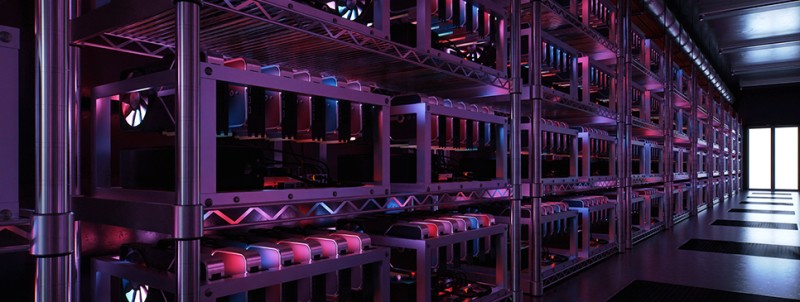
A crypto miner farm is just a room full of machines running all day. Because one PC can't win alone, people stack many ASICs or GPUs. They use cheap power and good cooling. The source notes that years ago you could mine from home, but now you need serious gear.
If you're thinking of joining, know the cost. Machines eat power. Pools help small miners get paid more often. But the chance of finding a block solo is tiny. Most folks rent hash or join a pool instead of building a farm.
Storing Your Coins Without Losing Them
Rule one: don't leave coins on an exchange. Coinbase holds your keys, so if they get hacked, your coins are gone. Exchanges have been hacked before. Use a wallet you control.
Ways to store crypto
- Software wallet: installed on your PC, you hold the keys
- Hardware wallet: device like Ledger or Trezor, keys never touch disk
- Paper wallet: key printed as QR code, made offline
- Cold storage: keys kept fully off networks for safety
Hardware wallets ask for a 24-word seed to recover. Buy direct from the maker to avoid tampered devices. A separate PC for crypto keeps your main machine clean. Back up your wallet file to a drive you unplug.
Using Crypto To Pay And Donate
You can use crypto to buy from Microsoft, Overstock, Dell, Expedia, Subway, and some sports teams. It's private, fast, and cheap compared to cards. Fees are often 0 to 1 percent, while credit cards take 2.5 percent or more. No country lock means you can send across borders easy.
Nonprofits can take crypto too. The IRS sees it as property, not cash. They can't put a value on the receipt. They write the date, what coin, and say thanks. Most sell quick to avoid price drops. State laws say they must invest prudently, so they rarely hold a lot.
Volatility And Why Prices Swing
Crypto prices move fast. Bitcoin's value comes from what people think it's worth, like stocks. No central bank sets the price. Supply grows as mining happens, capped at 21 million Bitcoin. Demand jumps on news or rule changes in other countries.
Some people like it because they don't trust central banks. In places with bad money, they turn to Bitcoin. Others just see a trade. But the swings are real, and some say don't make it your main savings.
What Are The Best Cryptocurrency To Invest In
If you ask what are the best cryptocurrency to invest in , the source doesn't pick winners. It says Bitcoin is the center many watch. When Bitcoin rises, others often follow. Ethereum and Litecoin get used for payments. Monero and Zcash for privacy. Stablecoins tie to dollars to cut swing.
I'd say be careful. The source calls it speculative. Charities sell donations fast to protect value. If you buy, only use money you can lose. And learn the tech before you trust it.
Cryptocurrency Classes For Beginners
Some look for cryptocurrency classes for beginners to learn safe steps. The source doesn't name schools, but it lays out the basics: what coins are, how mining checks trades, how blockchain stores data, and how to store keys. Read slow, use one exchange, and don't brag about holdings.
A good start is to buy a small amount and move it to your own wallet. Watch how a send works. See the confirmations. That teaches more than a slide deck. Then read about fees and privacy before you go bigger.
Words Keep Changing And That's Ok
The crypto word shift bugs some people, but it's normal. English changes with use. One commenter said words mean what users want. Another pointed out "stakeholder" used to mean a neutral holder of bets, now it means someone with interest. Language drifts, and we adapt.
"Words in a natural language mean what the users of that language want them to mean. God did not hand down English on stone tablets." (tfb, November 22, 2021)
So when your cousin says crypto, he means coins. When a security pro says it, she means codes. Both are right in their world. Just know which one you're in before you talk money.


Comments on “What Does Cryptocurrency Means And How Bitcoin Mining Works Without The Robotic Jargon”
No comments yet. Be the first to share your thoughts.