I, a Broke Blogger, Tried to Figure Out What Exactly Is Cryptocurrency and How Does It Work

What Exactly Is Cryptocurrency and How Does It Work
I’m no financial guru, but I got curious and tried to figure out what exactly is cryptocurrency and how does it work. The short version: it’s digital cash with no bank boss. It’s kept safe by cryptography, not magic, and there’s no central authority telling you what to do. You can buy stuff with it, or just confuse your uncle at dinner.
The source says crypto is a digital or virtual currency. It uses cryptography for security. And it runs without a central authority like a government or a bank. Unlike the US dollar or the euro, no central bank issues it or controls it. That part hooked me, because I’m tired of places freezing my card for no reason.

Some folks ask what cryptocurrency means in plain words. To me it means money that lives on computers, not in a wallet in your pocket. You hold it in a digital wallet with a unique address. When you send it, the network checks the move and writes it down.
Cryptocurrency is a digital currency that operates without a central authority, such as a government or bank.
What Us Crypto Currency Really Is
People type weird stuff into search bars. One common one is what us crypto currency when they mean what is crypto currency. It’s the same thing. Digital money, secured by code, run on a network of computers instead of a bank. The word “crypto” comes from cryptography, which is just a way to lock info with code.
The source explains cryptography as a method of protecting info through code. Only those meant to read it can open it. The word “crypt” means vault or hidden. The word “-graphy” has to do with writing. So it’s hidden writing, basically. That makes it hard to fake or hack.
Crypto is praised for making counterfeiting and double-spending nearly impossible. Those are flaws of normal money. And because no bank issues it, governments can’t just print more or freeze it easy. That’s the part a lot of people like, if I’m honest.
Key traits of crypto
- No central bank or government control
- Secured by cryptography
- Stored on a public ledger called blockchain
- Can be used to buy goods and services
What Is Crypto Currency Based On
If you wonder what crypto currency is based on , the answer is blockchain and cryptography. Blockchain is a public digital ledger that records transactions. Every computer on the network keeps a copy. When you trade, the info goes through a hash algorithm and gets checked by nodes.
The first crypto, Bitcoin, showed up in 2009 from a person or group named Satoshi Nakamoto. That’s a historical fact, not a trend. Since then thousands of others popped up. Ethereum came later. Litecoin too. Each runs on its own blockchain with its own rules.
Bitcoin was invented in January 2009 by Satoshi Nakamoto.
Blockchain Explained Simply
Let’s do blockchain explained simply with a dumb office analogy from the source. Think of many computers in one office. Each has its own copy of a document. When someone changes it, they tell the rest. Everyone updates their copy. If one computer crashes, the doc still lives on the others. That’s a blockchain in a nutshell.
Data sits in blocks that link together. Each block has a hash signature tying it to the last one. Change one character and the block goes invalid. The network constantly checks all blocks. To hack it you’d need to rewrite every block before a new one forms. The source says a new block is made about every ten minutes, and with today’s computing power that rewrite is basically impossible.
How blockchain technology works comes down to three things. Hash functions link and lock blocks. Public key cryptography lets you spend with a private key. A consensus mechanism keeps all computers in sync. Some use proof-of-work, some use proof-of-stake.
Parts of a blockchain
- Hash function: one-way code that chains blocks
- Public and private keys: your account and password
- Blocks: batches of verified transactions
- Consensus: rules all nodes follow
How Does Blockchain Technology Work in Real Use
When you buy a coffee with crypto, your wallet signs the send with a private key. The move goes to the network. Miners or validators check it. If it’s good, it lands in a block. That block gets added to the chain. Done. The recipient sees the balance go up.
The source gives a clear step list. First, the sender uses a private key to sign. Second, the network broadcasts it. Third, miners or validators verify. Fourth, it’s recorded in a block. Fifth, the recipient gets the funds. The system is secure, transparent, and irreversible.
This system ensures that all transactions are secure, transparent, and irreversible.

What Are the Different Kinds of Cryptocurrency
A crypto beginner like me first asks what the different kinds of cryptocurrency are . There are thousands. Bitcoin is the big one. Ethereum is second. Then XRP, Tether, Cardano, Litecoin, Dash, Monero, and meme coins like Doge and Shiba Inu.
Bitcoin was the first. It handles about seven transactions per second, which is slow. Ethereum’s coin is Ether, and its blockchain runs smart contracts. Cardano was built to fix speed and scale issues, using proof-of-stake. Monero is noted as the most secure anonymous crypto.
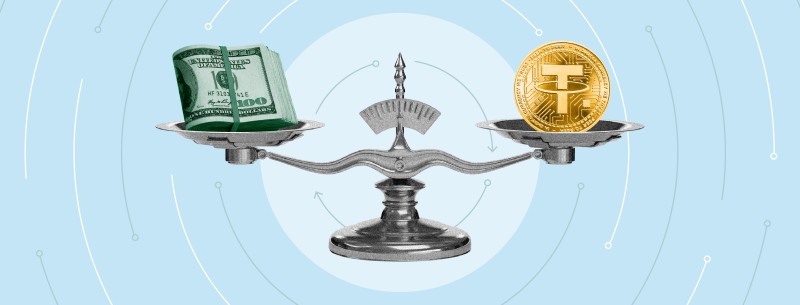
Tether is different. It follows the US dollar value, so it’s less wild. XRP aims at global payments. The source says there are more than 4,000 cryptos out there, so good luck knowing them all. Most have small followings and no real trading value.
Popular cryptocurrencies
- Bitcoin (BTC): first and most valued
- Ether (ETH): runs smart contracts
- XRP: built for cross-border payments
- Cardano (ADA): proof-of-stake, faster
- Tether: tracks the US dollar
Crypto Beginner Steps to Buy and Store
If you’re a crypto beginner , you need a place to keep coins. That’s a wallet. You can get a free online wallet, a hardware wallet that’s a physical device, or a paper wallet with a QR code printed on it. Hardware is safer if you worry about hacks.
After you set up a wallet, go to an exchange like Binance or Gemini. Buy coins with a card. The amount lands in your wallet. You can trade many kinds there. Fees come out of your balance when you send or sell.
The source warns that leaving coins on an exchange is not guaranteed safe. If security is your main worry, store offline. I think that’s just common sense, but people skip it. Don’t be that person.
Ways to store crypto
- Online wallet: free, but exposed
- Hardware wallet: physical, safer
- Paper wallet: printed keys or QR
- Exchange account: easy, risky
How to Invest in Crypto Coin
Learning how to invest in crypto coin starts with research. Read about exchanges before you spend a dollar. The source says there are hundreds of exchanges. Check reviews. Talk to people who already trade.
Store your buy safe, like we said. Diversify, don’t just grab Bitcoin because it’s the name you know. The source says thousands of options exist. Spread it if you can. And be ready for ups and downs, because prices swing hard.
The source gives four safe tips. Research the exchange. Know your storage. Diversify. Expect the unexpected. If your mental health can’t handle a drop, skip it. That’s not me being soft, that’s the source talking.
Cryptocurrency is currently all the rage, but keep in mind that it is still in its infancy.
Buy Blockchain and Use It
You might see ads to buy blockchain but really you buy coins on a blockchain. You can shop online, send to a friend, or use local shops that take crypto via a wallet like a debit card. Some folks invest through Coinbase or Binance.
Crypto enables decentralized finance, or DeFi. That means financial stuff without banks. It also allows NFTs, which are digital ownership tags. The source notes the market is new, so some people made big gains buying low and selling high. Others lost shirts.
Uses include remittances, cross-border value transfer, and anonymous buys. The source says crypto can move global payments fast. ACH transfers take days. Some blockchain nets confirm in seconds. Litecoin once sent $99 million worldwide for 40 cents in fees, per the source.
Common uses
- Online purchases with Bitcoin
- Local shop payments via wallet
- Investing on exchanges
- DeFi and NFTs
Advantages and Disadvantages
The upsides are clear. No bank or government middleman. Lower fees than cards. Anonymous if you want. The source says it’s completely anonymous, so you don’t reveal identity or location. That’s a big draw for some.
The downsides hurt though. No government backstop means wild price swings. Buying and selling can be hard with no central exchange. The source says value fluctuates more than stocks or gold. That’s exciting for traders, scary for savers.
Critics say it’s unregulated, used by criminals, and a bubble. Some countries ban it, others write laws. Because the market is small, a few big trades shift price a lot. Monero is the most anonymous, per the source, and that draws dark use.
Cryptocurrency is designed to have a fixed supply of coins in circulation.
Risks and Challenges
Big risk is volatility. Value can drop in a day or an hour. Regulatory uncertainty is real since rules differ by country. The source says legal landscape is still shifting. That makes planning hard.
Security risks live at exchanges and wallets, not the blockchain itself. Those can be hacked. The tech is complex, so newcomers get lost. The source says understanding the tech is a barrier for many. I felt that when I first read it.
Energy is another issue. Bitcoin uses a lot of power, enough to run a small country per the source. Proof-of-stake like Cardano uses less. That’s one fix the space is exploring. Custody of assets is a challenge too, since no bank holds it for you.
Main risks
- Price volatility
- Regulation gaps
- Exchange hacks
- Complex tech
Economic Value and Sectors Hit
Blockchain’s value comes from persistence and decentralization. It records cheap, accurate, auditable transactions that stay open. The source says this can cut friction in value chains and replace some middlemen. Banks hate that part, probably.
In banking, blockchain makes cross-border money move in seconds. Old methods take days. The source says traditional banking may face an existential challenge. In real estate, it can track property titles and cut costs. Health care could share records safe.
Government use includes elections and ID systems. Transport got a boost when Maersk and IBM used blockchain for shipping. The source says revenue chances in that space are big. It’s not just money, it’s lots of records.
Blockchain empowers the individual.
Origin and History of Cryptocurrency
The idea got described in 1998 under the name Bitcoin. Satoshi Nakamoto launched it in 2009 after the global financial bailout, when people wanted other options. That’s a historical fact, not a fad date. The community still debates if it’s rebel or replacement.
Normal money gets value from a central bank. Crypto gets value from perceived worth, like stocks. Supply and demand move it. The source says some folks in places like Venezuela don’t trust local banks, so they turn to crypto. That’s a real use case.
Mining got harder over time. Years ago you could mine from home. Now you need serious rigs. That raised cost and maybe value. And using Bitcoin to buy stuff got easier, which helped its marketability as real money.
History points
- 1998: Bitcoin described
- 2009: Satoshi launches it
- Post-bailout interest rose
- Mining shifted to pro rigs
Cryptocurrency Classes for Beginners
If you want cryptocurrency classes for beginners , the source doesn’t name schools but says research exchanges and storage first. Reading pics and docs helps. Start small. The source says it’s infancy, so a class or two won’t hurt.
The programming side uses common languages. Bitcoin is mostly C++. Ethereum uses C++, Python, Ruby, Go. That tells you it’s built by normal coders, not wizards. If you code, you can peek at the repos.
Key features again: decentralization, security via blockchain, global access. No bank needed for cross-border sends. Fees stay low versus wire transfers. That’s the pitch, and it holds up years later.
Cryptocurrencies are extremely volatile - their prices can shift dramatically from day to day.
Future of Cryptocurrency
The source thinks crypto will play a bigger role as tech evolves. Decentralized nature and security features make it promising. But challenges like volatility, regulation, and security remain. That’s a fair take, not hype.
It’s like real money but digital, decentralized, and global. Convenient, but still young. The source says do due diligence before you invest. I’ll repeat that because it’s true and easy to forget when prices pump.
Blockchain could become the backbone of government functions. Elections, car registration, social security. The source says it improves transparency and auditability. Whether that happens wide is another story, but the code is there.
What may come
- More DeFi use
- Bank-like apps on chain
- Government record systems
- Lower-volatility coins
Wrapping the Topic
So what exactly is cryptocurrency and how does it work comes down to this: digital money, no boss, locked by code, written on a shared ledger. You can use it, trade it, or study it. Just know the risks before you dive.
I’m still no guru. But I learned crypto is not magic, it’s math and network rules. If you’re a crypto beginner, take it slow. Read the source stuff, get a safe wallet, and don’t bet rent money. That’s the whole deal.
Through a permanent, auditable, and tamper-proof ledger, blockchain can provide that trust and that value.


Comments on “I, a Broke Blogger, Tried to Figure Out What Exactly Is Cryptocurrency and How Does It Work”
No comments yet. Be the first to share your thoughts.