
- Processor: AMD Ryzen 5 5600H, 6 cores, 12 threads, up to 4.2 GHz
- Graphics: integrated AMD Radeon Vega 7
- Memory: 8GB DDR4, upgradable to 64GB
- Storage: 256GB M.2 SSD, supports up to 2TB x 2
- Network: Gigabit Ethernet, Wi-Fi 6, Bluetooth 5.2
- Power: about 65W max via 19V supply
Miner Crypto Machine Truths: From Cute Coin Pets To PC-Squatting Thieves
5 October, 2026
0 comments

Miner Crypto Machine Truths: From Cute Coin Pets To PC-Squatting Thieves
You don't need a PhD to get this. A miner crypto machine is any hardware or software that does the math work to confirm blockchain transactions and earn coin rewards. Some are small desktop hybrids you buy to make a few coins at home. Others are nasty programs that sneak onto your PC and use your power like a deadbeat roommate. I'll walk through both sides so you know what you're looking at before you buy or before something moves into your laptop uninvited.
The short version: a miner crypto machine can be a pet or a thief. The cute ones sit on your desk and hum while they work. The bad ones ride your system silent and suck your electricity. Know the difference or you'll pay for a stranger's GPU habit.
What Is The Purpose Of Crypto Mining
When transactions happen on a blockchain, they must be checked and sent across the network. Computers called nodes confirm and pass along those transactions. Miners take the transactions and pack them into blocks added to the chain. Each block gets a cryptographic hash and includes the prior block's hash, which forms the chain. To solve the hard hashing of each block, miners use a machine's compute power. The more blocks mined, the harder the next hash gets.
What a miner crypto machine is for is mostly validation and reward. To speed things up, many miners join pools and share the work. When a new block is mined, the pool splits the coin reward among participants. That's the legit cycle. The thief version skips the buy part and just takes your machine for the ride.
What Crypto Mining Looks Like In Real Life
The majority of hobbyist setups and a lot of malicious operations focus on Monero. Monero is open-source, built on the CryptoNote protocol as a fork of Bytecoin. It uses ring signatures to hide user IDs and makes single-use addresses. Its hashing algorithm is memory-hard, which keeps CPU mining useful and makes ASIC chips less effective. That privacy and low-power fit is why both home tinkerers and criminals like it.
What crypto mining actually is here is mostly someone's CPU grinding Monero in the background. Underground talk about miner topics goes back to at least 2009 in some communities. Words like miner, cryptonight, stratum, xmrig, and cpuminer jumped in conversations starting in 2017. Some bad actors seem to like cryptojacking because they think it draws less law enforcement attention than other money schemes.
Legitimate Miner Crypto Machine: Small Hybrids
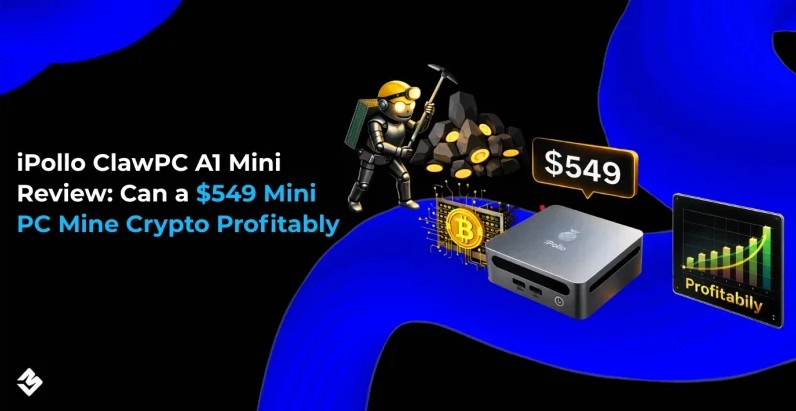
The iPollo ClawPC A1 Mini is a $549 hybrid desktop. It packs a full PC with a specialized blockchain processing system. It is smaller than a paperback book at 11.4 by 10.6 by 3.75 cm and weighs 0.45 kg. The fan stays almost silent even at max. During the day it works as a normal computer. While idle or asleep it runs as a hidden crypto miner.
ClawPC A1 Mini specs
iPollo mentions a dedicated Blockchain Processing Unit that mines apart from CPU and GPU, but they are vague on exact specs. Early teardowns hint at an ARM coprocessor with custom firmware, yet real hash contribution is unclear. Most mining comes from the CPU and integrated GPU. It targets beginners, people wanting a small efficient PC, and low-power hobbyists. It is not built to fight industrial farms.
The Best Crypto Miners For Mining At Home
The best picks for home coin making depend on your goal. If you want a quiet box that also browses the web, the ClawPC A1 Mini fits. It is whisper quiet and low power. If you want max hash, a home mini-PC will not cut it. ASIC miners scream loud and eat power. GPU rigs sit in the middle but need space and care.
Home mining option comparison
- iPollo ClawPC A1 Mini: $549, 65W, quiet, low hash, PC plus mining
- ASIC miner like Antminer: $1,000 to $5,000+, loud, high hash, mining only
- GPU mining rig: $800 to $2,500+, moderate noise, medium hash, mining only
- Regular mini-PC: $300 to $700, quiet, no mining, PC only
The ClawPC sits in a odd little niche: only device giving everyday PC use and crypto mining at very low power and noise. Good for tech fans, home office users who want to test, freelancers with idle time, small shops, and blockchain devs. Not good for profit seekers, high-power-cost users, ROI chasers, or gamers.
What A Mining Rig Used For Profit Really Needs
A mining rig used for real profit at scale is a different beast. Bitcoin mining is industrial. Big ASIC rigs hit hundreds of terahashes per second at thousands of watts. The ClawPC max SHA-256 speed is a few hundred kilohashes per second, about one million times slower. It cannot solo mine Bitcoin. It must join a pool where its share is tiny.
It can mine ASIC-resistant coins like Monero and GPU-friendly algorithms via NiceHash, which pays in Bitcoin no matter the algorithm. At 60W average, running 24/7 uses about 43.2 kWh a month. At $0.15 per kWh that is $6.48. Revenue from CPU plus GPU on NiceHash may land $0.10 to $0.22 a day. Monero solo gives around 0.0004 XMR daily. Ravencoin pool gives 15 to 25 RVN daily. At common power rates the math often loses money.
Strictly as profit-making machine, numbers don't work from today's revenue, but as low-cost entry that also serves as functional computer it has different value.
If you already needed a $400 PC, the extra cost is small and you get learning value. Coin price jumps could change the picture later. But don't buy it thinking you'll quit your job on the mining income.
Cloud Mining Services And Free Crypto Apps
Some folks look at cloud mining services to skip hardware. You rent someone else's rig and get a cut of coins. Risk is high. Many outfits are scams or thin on proof. Others use free crypto apps that mine in the background on your phone or browser. Those usually earn pennies while draining your battery and data.
Legit cloud mining exists but needs research. Check who runs it, where machines are, and payout history. If an app promises big coin for nothing, it is likely using your device as the miner while someone else keeps most of the reward. That slides into the thief side we'll cover next.
Legit Cloud Mining Vs The Thief Version
Legit cloud mining means you pay a host to run hardware you don't touch, and they show proof of rigs and pools. The thief version is cryptojacking: malware that uses victim resources without consent. Attackers like it because it is low risk, low effort, and can pay out. With good evasion it may not even slow your machine enough for you to notice.
Detecting these miners is hard. Monero uses a network of about 30,000 nodes worldwide. Any miner must touch one of those nodes directly or through a proxy. Cross-checking samples against node lists helps find campaigns, but false hits happen if a server does other jobs too. The takeaway: if you didn't install a miner, assume it's a mooch.
Cryptojacking Campaigns That Squat On Your PC
Akamai looked at Monero and Zephyr miner samples. One campaign ran six years and showed signs of Russian and Chinese actors working together. It used PowerShell to drop a loader via a rootkit. At least 1,702 XMR was gathered, worth around $280,000, averaging nearly $47,000 a year. That's thousands of compromised machines grinding away.
Common cryptojacking traits
- Uses XMRig or modified miner dropped silently
- Listens on ports like 999 to expose miner API
- Spreads via pirated software, fake cheats, or drive-by downloads
- Hides with obfuscation, encryption, and legit-looking file names
Another campaign hit Russian-speaking users with fake cheat engines for Fortnite and Roblox spread on Telegram and Discord. More than 1,400 victims and 800 KH/s were seen. Zephyr pays less than Monero but actors still use it for possible long-term value. Periodic hash changes showed real human use on a 24-hour cycle.
Microsoft Case: Fake Tools That Mine
Microsoft Defender Experts found a campaign where malicious download sites showed up via search poisoning and AI chatbot answers. The sites pretended to be CrystalDiskInfo, HWMonitor, Display Driver Uninstaller, FurMark, K-Lite Codec Pack, and PDFgear. Those are brands PC enthusiasts trust, and enthusiasts often own fast GPUs.
The ZIP held a real exe and a malicious autorun DLL. When launched, the DLL loaded and silently installed a remote access client. Six persistence methods were set: scheduled tasks, registry run keys, and a startup shortcut. The miner downloaded at runtime and stopped if you gamed or streamed to avoid notice. Hey, don't skip this part: only grab utils from the real vendor site, not a lookalike.
Ollama Endpoint Trojan
Akamai found a custom peer-to-peer Trojan hitting Ollama AI endpoints. The attack started with API calls to port 11434 asking the AI to pull a script. That script fetched a binary to memory and wiped the file after. The binary used a P2P stack to slip past firewalls and NAT, masquerading as a system worker.
It dropped a P2P proxy and XMRig, renamed itself, and started a local proxy to route mining traffic. It capped CPU at 50% and ran every 15 minutes via cron. If you run Ollama, lock down that port and watch for odd processes. This one's important, pay attention to outbound connections you didn't expect.
DarkGate: Mining Plus Ransom
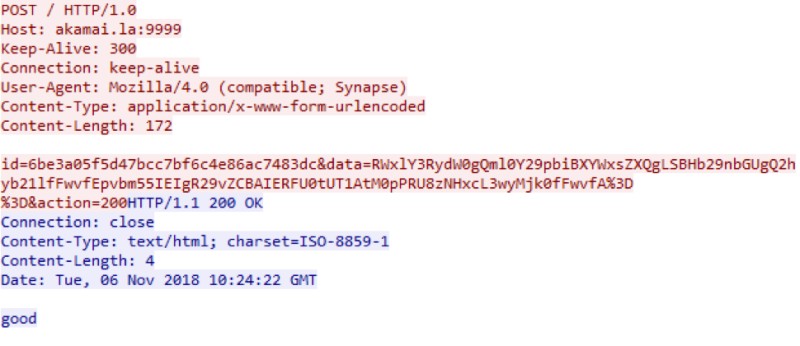
Fortinet found DarkGate malware from 2018 that spread via torrent files posing as movies. It could mine coin, steal wallets, deploy ransomware, and give remote access. It used process hollowing and UAC bypass. Command servers hid behind names like akamai.la and awsamazon.cc.
The unpacking had four stages using VBScript, AutoIt, and hollowed processes. It searched window titles for HitBTC, Binance, Electrum, MetaMask, and more to steal creds. It also logged keys and deleted restore points. A miner ran inside a hollowed system process. If a torrent looks too good, it's probably a trap.
Docker Exploit For XMRig
Trend Micro found attacks on exposed Docker APIs using Tor to drop a stealthy XMRig. The attacker listed containers, mounted host root, and ran a payload that set up Tor to fetch a script. The script changed SSH config, added a key, and installed tools. Beacon went over Tor with system info.
Correctly configure containers and APIs, use official images, run without root, restrict trusted sources, do regular security audits.
The dropper held the miner, wallet, and pool URLs inside. If you run Docker, don't leave the API open to the world. Lock it down or someone will rent your server for free and pay you nothing.
Machine Learning Detection Of Miners
Sysdig trained a model to spot miner processes in running containers. Each process makes a stream of events captured by their agent. They framed it as a yes-or-no classification problem and picked supervised learning for better precision. They tuned the threshold to avoid false alarms and watched for concept drift.
In one real case, a kworker process got an 81% miner alert, lower than the usual 96%. It was confirmed on VirusTotal and showed recon and evasion. ML helps but works best with rule-based detectors, not alone. If you run containers, runtime monitoring is your friend.

Detection And Mitigation Techniques
Network detection means cross-referencing blockchain node maps with your firewall data. Miners use ports like 999, 3333, and 7777. False positives happen because nodes may also serve Tor or mirrors. Any mining must talk to a stratum server, public or hidden.
Ways to catch unauthorized miners
- Watch for CPU spikes and weird usage patterns
- Look for RandomX fingerprints like hardware AES and hugepages
- Scan process memory for 95-char Monero wallet regex
- Enable Defender cloud protection and attack surface rules
- Block known pool domains and coin script sites
Microsoft Defender guidance includes enabling web protection and SmartScreen. Advanced hunting can find RuntimeHost.exe from a weird cache path or suspicious scheduled tasks. Trend Micro and Mandiant add checks for strange decompression and unencrypted stratum traffic. Browser mining can be blocked by ad-blockers and purging cache.
Cost Of Cryptojacking
The cost hits three ways: your system slows and may crash, your power bill climbs, and security holes open. On factory networks even small CPU load can make gear unresponsive. One old miner example used about 1.2 kWh a day, near $10.50 a month in the US. Cloud targeting grows because big CPU there goes unnoticed.
Underground ads sell miner builders like Monero Madness at $80, Goldig Miner at $23, and Felix at $50. Some add RAT features or USB spreaders. Distribution rides botnets, drive-by scripts, malvertising, mobile apps, and spam. Education networks get hit often due to loose controls and free power.
What Does Cryptocurrency Means For Miners
What cryptocurrency means in this context is simple: it is a coin you get as reward for validating blocks. The miner crypto machine does the work, the network gives the coin. Criminals don't care about the tech ideals. They care that Monero is private and CPU-friendly so their stolen cycles are hard to trace.
Victim data shows US tops affected countries, with education as a top sector. Minergate and Nanopool are common pools in sightings. Monero stays primary due to privacy and ASIC resistance. If you see a sudden fan spin and slack performance, check for a squatter.
Binary Crypto And Underground Builds
Binary crypto tools spread in underground shops. Common XMR utilities include XMRig, XMR-STACK, MINERGATE, CCMINER, CLAYMORE, and CPUMINER-MULTI. Ads pitch FUD packing, idle-only mode, and Telegram bots. One builder called Miner+RAT was priced at 200 euros with game mode and proxy.
These are not pets. They are products built to steal compute. Some worm via USB or SSH brute force. Others hide in cracked software downloads. If a tool claims "fully undetectable" and "idle only," assume it is meant to live on someone else's machine without ask.
Big Mining Infrastructure And ASIC Shifts
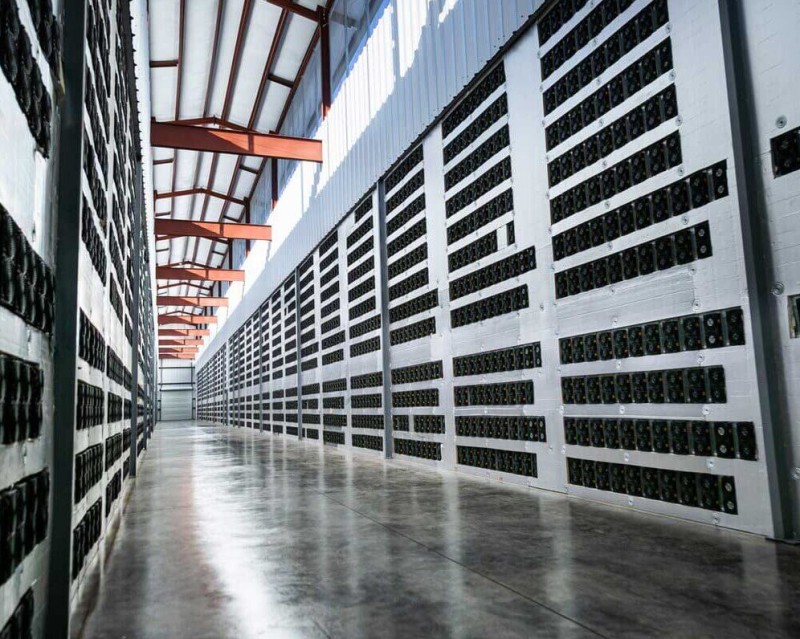
Legit large-scale mining needs serious infrastructure. Over 70 Bitcoin mining companies in the US offer hosting and pull more than $1 billion revenue monthly. Power and cooling are critical. Providers get low-rate contracts and watch temp, humidity, and airflow to cut downtime.
Parts of a mining operation
- Power: low-cost contracts and live monitoring
- Cooling: airflow optimization to keep machines dust-free
- Data centers: iterative design for scalability
- Hardware: ASIC chips moving from 5nm to 3nm for efficiency
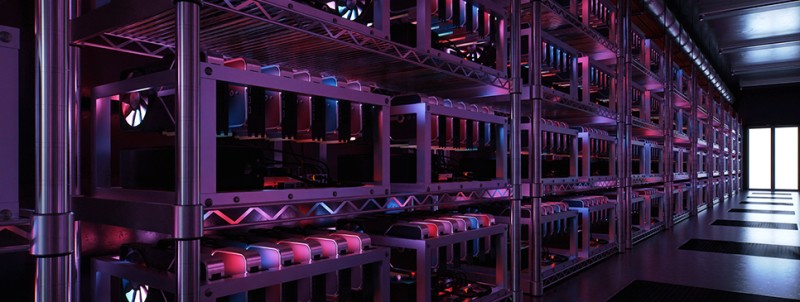
Core Scientific runs over 700,000 Bitcoin mining machines. New modular chip designs let operators swap hashboards instead of whole units, cutting cost. A crypto miner farm at scale is a warehouse of noise and heat, not a cute box on your desk.
How To Spot A PC-Squatting Thief
If you didn't install mining software, treat any miner as hostile. Check task manager for strange CPU use. Look for unknown scheduled tasks, startup links, and registry run keys. Watch outbound connections to odd domains or Tor. A whisper-quiet fan suddenly loud is a red flag for a hidden rig.
Use vendor tools from real sites only. Keep Defender or equivalent on with cloud checks. Block old pool ports at the firewall if you don't mine. And if you run AI endpoints or Docker, close the open ports. Most of these thieves want quiet, so loud defense works.
Know Before You Buy Or Get Infected
A miner crypto machine can be a fun low-power PC that teaches you the ropes, or a malware mooch burning your watts. The ClawPC is a fair pet if you wanted a small PC anyway. The cryptojacking crews are the thieves, plain and simple.
I wrote this so you can tell them apart. Buy the cute one with eyes open on the math. Block the thief with basic hygiene. Either way, now you know the truths from coin pets to PC-squatting deadbeats.


Comments on “Miner Crypto Machine Truths: From Cute Coin Pets To PC-Squatting Thieves”
No comments yet. Be the first to share your thoughts.