How I Learned to Pick the Best Hardware Wallet Without Losing My Mind or My Coins
The Best Hardware Wallet Survival Guide for People Who Drop Things
My crypto is scattered like dirty laundry on the floor, and I'm guessing yours might be too. I wrote this because picking the best hardware wallet should not feel like a panic degree in computer science. You don't need to be a pro to keep your coins safe. You need clear talk and a little common sense.
The main idea is simple. A best hardware wallet for cryptocurrency is a small physical device that keeps your private keys off the internet. That matters because most thefts happen when keys touch a wired or wireless network. This post walks through big piles of coins, backup devices, and not drowning your stash in a flood or dust.
There is no one perfect setup. Your wallet choice depends on how much crypto you hold and how new you are. The source I read puts people in rough groups. Total noobs can use a custodial exchange. Beginners with small money can use a browser wallet. Once you move past that, a best hardware wallet starts to make sense.
How To Store Crypto Safely By Experience Level
The first step in how to store crypto safely is to be honest about your stack. If the amount would suck to lose but not end your life, a hardware device is the usual next step after a hot wallet. It sits apart from the web, so it is harder for you or a hacker to reach the keys by accident.
Wallet picks by user type
- Total noob: custodial wallet or exchange
- Beginner with smol money: browser wallet
- Intermediate with medium-small money: hardware wallet
- Intermediate with big money: multi-sig or social recovery plus hardware wallet
- Advanced with big money: multi-sig, social recovery, or roll your own setup
For big money, the source says use a multi-sig or social recovery together with a best hardware wallet . Multi-sig means a smart contract needs X of Y signers to move funds. One example is three of five signers: Metamask A, Trezor B, and Frame C all approve, then the send goes through.
Your crypto wallet setup will never be perfect; everyone has a different idea of what a great wallet setup is.
Why A Hardware Wallet Helps With Medium Money
A hardware wallet is a level up from a browser wallet because it is often air-gapped. That means no live link to the internet. It becomes harder for even you to access the crypto, which sounds annoying but is the point. If someone gets your device, they could hack it and take your key, so treat a lost device as compromised.
The pros are clear. You keep the good parts of a browser wallet, plus separation from the net. It fits small to medium amounts well. The cons are real too. Someone can attack you in person and grab the device. Or a supply chain attack can swap your ordered wallet for a bad one. Always buy from the vendor or official resellers, never from a hackathon table.
Common hardware wallet weak spots
- Wrench attacks where someone physically steals the device
- Supply chain swaps with malicious hardware or software
- Bad downloads that grab your secret phrase
- Pre-checked recovery words from a seller
Some solid options from the source: Trezor Safe 5 is open sourced and preferred. If you are fine with closed code, Ledger Flex or Grid+ Lattice1 show up as cold wallet picks. Those are fair examples of cold wallets for most people moving up from browser apps.
Best Cold Wallet Crypto For Beginners
If you are starting out, the best cold wallet crypto for beginners is one that does not fight you. A Trezor Safe 5 or a similar screen device lets you read what you sign. You do not need many coins to justify it. If the loss would sting, a device is worth it.
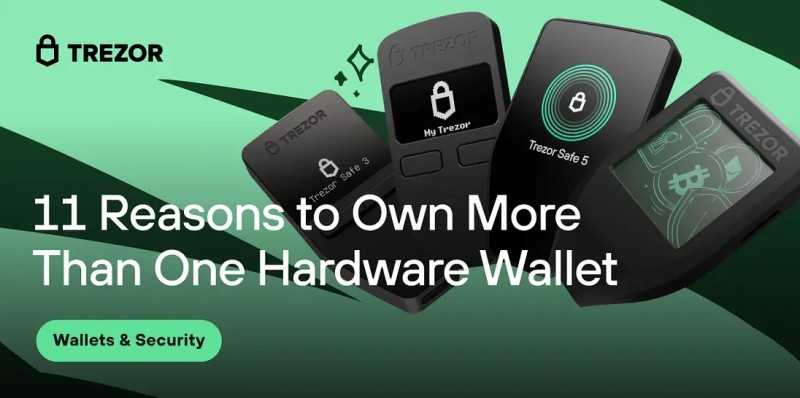
Cold storage just means the key stays offline. It is not magic. It is a best hardware wallet that signs transactions without exposing the secret. For a beginner, pick one with a clear screen and a known brand. Avoid weird firmware from strangers.
I bought 2 with my initial order. Set one up to use and put the other one in locked storage. I wanted backup plan in case of total failure.
That quote is from a Trezor user, not me, but it matches my read. A second device is peace of mind. Pets eat things. Drawers eat things. A backup that is cloned from your first setup and kept elsewhere is smart.
Why You Want A Second Device
One trezor cold wallet is enough to protect assets, but the source lists many reasons to own a second. The top reason is backup. If your main device breaks, you are not stuck. You just use the clone.
Reasons to own more than one hardware wallet
- Extra backup if device is lost, stolen, or chewed
- Gifting to family so they learn self-custody
- Bitcoin-only device to split from other coins
- Trading wallet kept active, storage wallet kept cold
- Split funds so one spot does not hold all
- Inheritance plan with a trusted person or executor
- Business funds kept apart from personal funds
- Travel wallet with limited money inside
- Fun collecting new tech
- Teaching or demo device
- Multisig security with several keys
Hey, don't skip this part. More wallets means more duty. If you are new, start with one main and one backup. Do not buy eleven devices and then lose the papers for all of them.
Durability Matters For Long-Term Storage
Since hardware wallets are physical, they break like anything else. Protection against water, dust, and environmental damage is essential for long-term storage. A device in a drawer can meet a cup of coffee or a flood. The source points to IP67 ratings as a real perk.
Both Ryder One and Trezor Safe 7 carry IP67 water and dust resistance in the comparison data. That means they can take a dunk and a dusty shelf better than a paper phrase. If your best hardware wallet survives your clumsy hands, your coins get more time.
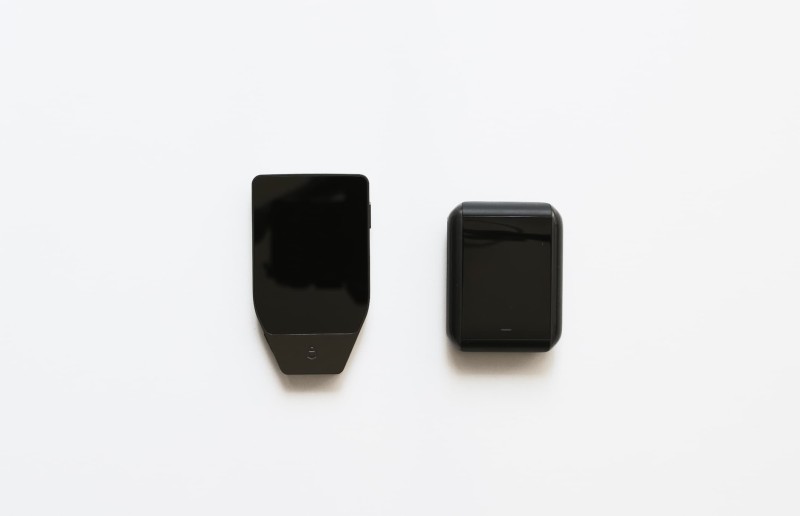
This one's important, pay attention. A durable backup is part of the plan. Ryder ships a waterproof dustproof Recovery Tag in the box. Trezor's metal backup costs extra at about $99 per unit. If your seed paper melts, the coins are gone.
Bitcoin-Only Firmware And Simple Control
A Bitcoin-only hardware wallet supports just Bitcoin at the firmware level. It does not read other chains. The goal is simple: serve Bitcoin self custody and nothing else. For people who only hold BTC, a device that knows one set of rules is easier to keep clear.
OneKey builds a Bitcoin-only firmware around this idea. It shows inputs, outputs, amounts, and fees on the device screen. What you see is what you sign. That helps you catch a bad address or a hidden trap before you approve. It is a clear read on is cold wallet safe when the screen tells the truth.
The firmware is open source. Anyone can review the code and reproduce the build. That matters more than brand promises. A best hardware wallet you cannot verify is just a black box with your money inside.
When the goal is to preserve value across cycles, simplicity becomes a real advantage.
OneKey Wallet Review From The Source
In a plain onekey wallet review read, OneKey sells devices like OneKey Pro and OneKey Classic 1S. The firmware is audited by SlowMist and carries ISO/IEC 27001 cert. It passed UK, South Korea, and Japan safety marks as well. That is not a sales pitch, just the certs from the source.
OneKey backs coins like Bitcoin, Ethereum, Solana, and Aptos. The secure parts use EAL 6+ grade chips. If you want a best hardware wallet for cryptocurrency that stays focused, the Bitcoin-only mode is the clean path. Switching back to normal firmware is possible.
Ryder One Versus Trezor Safe 7
The source compares Ryder One and Trezor Safe 7 in detail. Both keep private keys offline on a certified secure element. The big difference is backup style. Ryder uses a tap backup with no seed phrase to write. Trezor uses a written 20-word sheet unless you pick multi-share.
Quick compare points
- Ryder One: tap backup, no seed words, about $229 with tag
- Trezor Safe 7: 20-word sheet, bigger screen, about $249
- Ryder: NFC only, portless, air-gapped a few cm
- Trezor: Bluetooth and USB-C, BT can be turned off
- Both: IP67 water and dust, aluminum body
- Ryder tag included; Trezor metal backup costs extra
If someone finds a Ryder backup tag alone, it is useless without the phone and other parts. If someone finds a Trezor seed sheet alone, they get full access unless you used multi-share. That is a real safety split when thinking about best wallet cryptocurrency habits at home.
Over 3 million Bitcoin lost globally due to seed phrase mismanagement.
That stat is from the Ryder compare piece. It is a flat fact that paper phrases go wrong. A best hardware wallet helps, but the backup is half the battle.
Recovery Styles And What Breaks
Ryder uses TapSafe. You tap the phone and the included tag during setup. Shamir secret sharing spreads the key across the tag, phone, and optional contacts. No single part is enough. Trezor uses SLIP-39 with written shares if you opt into multi-share.
Setup time is different. Ryder takes about 60 seconds with taps. Trezor takes about 15 minutes with cable, firmware, and written words. If you hate writing, a tap style cold wallet crypto app flow feels lighter. If you want a big screen, Trezor fits.
The source notes Trezor multi-share uses Shamir's Secret Sharing. A threshold like three of five means you write five 20-word lists, store them apart, and need three to recover. It is more work, but one found list does not leak the coins.
Cold Wallet App Use And Daily Life
A cold wallet crypto app is the phone or desktop side that talks to the device. Trezor Suite runs on desktop and mobile. Ryder has its own iOS and Android app. The device still signs offline; the app just shows info and sends the signed blob.
Daily use differs a bit. Ryder ships the device, Recovery Tag, wireless charger, and travel pouch. Trezor ships the device, cable, and recovery sheet. Both accept crypto, but Ryder's NFC link touches fewer servers. Trezor connects to broader infra.
For asset coverage, Trezor lists 1000+ coins. Ryder covers top 60+ and adds more over time. Either is fine for best hardware wallet for cryptocurrency needs unless you hold very odd tokens. Check the list before you buy.
Multi-Sig And Social Recovery For Big Stacks
If your pile is big, a single device is not enough. Multi-sig wallets like Safe are a top choice for advanced users. You deploy a smart contract that needs X of Y signers. Aragon multi-sig is an option for DAOs. This removes the single point of failure.
Multi-sig basics
- Needs X of Y signers to send a transaction
- One lost key can be swapped without moving funds
- Weak support from some web3 apps
- Address can differ across chains
- Not beginner-friendly; bad setup can lock funds
Social recovery is close in spirit. You keep one signing key, then name at least three guardians. A majority can change the signing key if you lose yours. Shamir backup is similar: you give shares of the key to trusted people. Trezor T ships with this feature in the source.
Multisig not beginner-friendly; if set up incorrectly could permanently lose access.
Self-Made Tools For The Very Advanced
The source mentions self-made tools for super advanced users. A brain wallet means you memorize the key. A paper wallet is written and stored safe. Self-encryption tools can spread keys across drives with trusted people. This is not for most of us.
One example system from the source: hundreds of wallets with small amounts, backups in different spots, about ten main wallets with most money. They never used a hardware or browser wallet, made phrases from their own tools, and rotated money every six months. That is hard mode.
For normal folks, a best hardware wallet plus a metal backup and a six-month check is plenty. You do not need to roll your own crypto stack to be safe.
Safe Storage Habits And Dumb Mistakes
Do not tell people how much crypto you have. Lower profile is better. Do not buy a hardware wallet from a hackathon. Always buy from the vendor or official resellers. A device from a stranger can be pre-loaded with a trap.
Key care rules
- Rotate keys or wallets about every six months
- Backup phrase on metal, memory, paper, or encrypted manager
- Never photo the phrase or upload to cloud
- Never text, email, or tell a gossiping cousin
- If a key shows on screen by accident, treat it as compromised
Windows is the most malware-hit OS in the source. Don't use a Windows PC for serious crypto if you can help it. A clean machine or a phone with the cold wallet crypto app is safer for checks.
Set recurring event review keys every 6 months: where are keys, where money, if house burns can recover.
Broader Wallet Storage Hierarchy
The source lays out a full stack. Total noobs use custodial exchange like Coinbase or Kraken. Pros are easy use and some protection if you are not skilled. Cons are exchange failure, freeze, or loss of access to web3 apps.
Beginners with small amounts use browser or desktop hot wallets like Metamask, Rabby, Frame, Rainbow, or MyEtherWallet. Hot means connected to the internet. Not for large amounts. If you must keep a lot hot, spread it across many wallets with different phrases.
Then comes the hardware layer, then multi-sig, then self-made. A best hardware wallet sits in the middle as the common upgrade from hot storage. It is the line where most people should land.
Tangem As A Hardware And Software Note
The source includes a note that Tangem AG provides only hardware wallets and non-custodial software for managing digital assets. It is not a regulated financial provider or exchange. It does not hold or control user assets. Third-party providers handle the transaction services.
That matters for trust. A best buy ledger wallet or Tangem device does not custody your coins. The device and the software show your keys, but the coins stay on chain. You sign, the network moves.
Where Backup Phrases Should Live
The source says store your secret phrase on metal plates hidden, in memory, on paper in a secret spot, or in an encrypted password manager without the manager knowing the key. Vault storage works if you trust the vault.
What not to do is plain. No photo, no cloud upload, no text, no email, no cousin who talks. A found photo is a found wallet. For a best hardware wallet , the device is only half; the phrase is the other half.
Good backup spots
- Metal plate hidden in a safe place
- Memorized if you trust your memory
- Paper in a secret spot away from water
- Encrypted manager that never sees the raw key
Picking The Best Hardware Wallet For You
To sum the picks without a wrap: if you want a big screen and wide coin support, Trezor Safe 7 fits. If you want paperless tap backup and a small rugged box, Ryder One fits. If you want Bitcoin-only focus, OneKey or Trezor Bitcoin-only firmware fits.
The best hardware wallet for cryptocurrency is the one you will actually use right. A fancy device with a lost phrase is worse than a plain device with a metal backup. Keep it simple, keep it dry, keep a clone.
For large amounts, do not stop at one device. Pair a best hardware wallet with multi-sig or social recovery. That removes the single point of failure. And yeah, check your setup every six months so a fire or a broken drawer does not end your stack.
Final Notes On Cold Storage Safety
The question is cold wallet safe gets a plain answer in the source. It is safer than hot storage because keys stay offline. But a cold device can still be stolen, swapped, or drowned. Durability and backup are not extras.
A best buy ledger wallet or Trezor or Ryder or OneKey all share the core job: keep the key off the net and make you confirm on the device. Read the screen, tap the tag, store the backup, and you are most of the way to safe.
More wallets = more responsibility. If new, start simple: one primary + one backup.
That line from the source is the whole vibe. Don't overbuy. Don't underbackup. A best hardware wallet is a tool, not a spell. Use it well and your coins outlive your clumsy week.
Comments on “How I Learned to Pick the Best Hardware Wallet Without Losing My Mind or My Coins”
No comments yet. Be the first to share your thoughts.