
How to Compare the Best Crypto Wallets for Cold Storage and Safe Setup
What a Cold Storage Wallet Actually Is
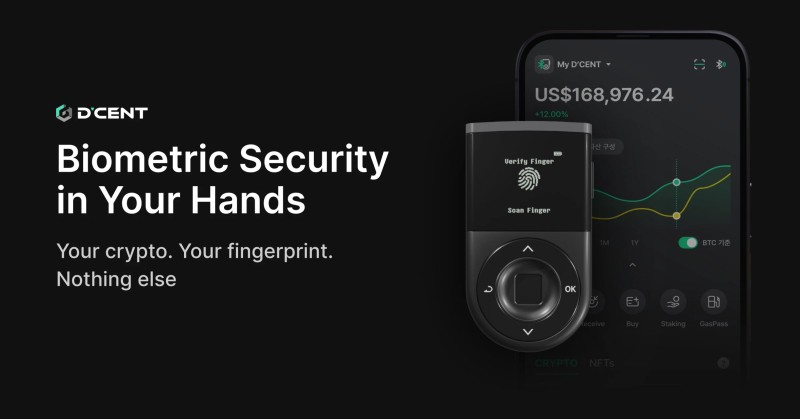
Let me start with the basics. A cold wallet keeps your cryptocurrency keys offline, away from the internet. The coins themselves stay on the blockchain. The wallet just holds the private keys that let you sign transactions and prove you own those coins. That isolation is the whole point. If a hacker can’t reach your keys, they can’t take your stuff.
There are several ways to store keys offline. You’ve got dedicated hardware wallets , paper or metal backups, air-gapped signing devices, and even multisig setups that split keys across multiple locations. Each approach has trade-offs between security, convenience, and skill required.
Why Cold Storage Matters
I’ve seen too many people treat crypto wallets like checking accounts. That’s a problem when you’re dealing with real money. Hot wallets-apps connected to the internet-are convenient for daily use, but they’re also easier targets. A cold storage solution removes that attack surface entirely. It’s the difference between leaving your house key under the doormat and locking it in a safe.
If you don’t have your keys, you don’t have your Bitcoin. The same goes for any other crypto asset.
That’s not just a slogan. It’s the brutal truth. If someone else holds your keys-whether it’s an exchange or a custodial app-they can freeze your funds, get hacked, or decide to stop supporting your coin. Non-custodial cold storage puts you in control.
Types of Cold Wallets
Let me walk you through the main formats I see in the wild. Each has a different risk profile and use case.
Hardware wallets are the most common choice for hardware-based cold storage . They look like USB drives or small tablets, generate keys internally, and usually have a screen for confirming transactions. Some use secure elements, others go full air-gapped with QR codes.
Paper and metal backups are simpler but fragile. A piece of paper can burn or get wet. A steel plate survives fire and water, but neither can sign transactions on its own. They’re backup systems, not primary wallets.
Key Features to Compare
When I’m sizing up a cold wallet option , I look at a few critical areas. Here’s what matters:
What to evaluate
- Private key isolation: Keys must stay inside the device during signing.
- Recovery method: Seed phrase, Shamir backup, or card-based system.
- Coin support: Does it cover your specific assets and networks?
- Clear signing: Can you verify addresses and amounts on-device?
- Open-source status: Code available for audit or closed firmware?
Certification alone doesn’t cover supply-chain attacks, phishing, or user error.
That last point catches people off guard. A secure element chip might protect against physical tampering, but it won’t stop you from approving a malicious transaction or pasting your seed phrase into a phishing site.
Popular Options Breakdown
There’s no single “best” wallet-it depends on what you need. Let’s talk about some real-world trade-offs.
Coldcard and SeedSigner are built for Bitcoin purists. They’re air-gapped, support PSBT workflows, and assume technical knowledge. Great for paranoid Bitcoiners. Maybe not great if you’re juggling dozens of tokens.
Trezor and Ledger cover more coins but come with platform risks. Trezor leans open-source. Ledger has had security scares, but its ecosystem is huge. Both let you manage assets across chains.
Then there are mobile-friendly options like SafePal and Tangem cards. Tangem skips seed phrases entirely-your key lives on a physical card. It’s simpler for beginners, but recovery hinges on not losing those cards.
Setup Steps I Swear By
Even the most secure wallet is useless if you mess up setup. I’ve walked through this process enough times to have a checklist.
The setup checklist
- Verify the tamper seal and buy from the manufacturer or authorized seller.
- Initialize the device offline-never generate seeds on an internet-connected machine.
- Write down your recovery phrase. Twice. On metal, not paper.
- Set a strong PIN and passphrase. Not 0000, not 1234.
- Send a tiny test amount first. Confirm you can send it back before funding fully.
Test recovery before moving significant funds. An untested backup is wishful thinking.
I can’t stress that enough. I’ve heard the horror stories: people who bought devices, skipped testing recovery, and later realized their backup phrase didn’t work-or worse, that their device wiped itself somehow.
Bitcoin vs. Monero Considerations
Different chains have different needs. Bitcoin and Monero are both popular with cold storage users , but they require different approaches.

Bitcoin benefits from hardware wallets like Coldcard or BitBox02. These focus on air-gapped signing, PSBT support, and multisig setups. The community trusts them because the threat model is clear: keep keys offline, verify everything on-device.
Monero is trickier. Most users run the GUI on an air-gapped machine or use Feather Wallet hardware. Recovery phrases are 25 words, not 12 or 24. And yes, you should use separate seeds for BTC and XMR. A single seed compromise wipes both.
Common Mistakes That Bite People
I’ve made my own dumb errors with cold storage. Here’s what trips up others:
The pitfalls
- Buying from sketchy sellers-counterfeit devices are real and dangerous.
- Keeping only one backup-fire, theft, or flood can take everything.
- Storing seeds digitally-even encrypted files in cloud storage can leak.
- Never testing recovery-you won’t know if the backup works until it’s too late.
- Staying connected-even “offline” devices can leak data through USB or Bluetooth.
Offline doesn’t mean invincible. A lost device with a visible seed phrase is still toast.
That last one gets ignored too often. I’ve seen people leave their recovery phrase taped to their hardware wallet. Come on-it defeats the purpose. Separate the key from the backup. Store them in different places.
Advanced Tactics for High-Value Holdings
If you’re holding life-changing amounts, solo cold storage might not cut it. That’s where deeper layers come in.

Deep cold storage means making access inconvenient on purpose. Think bank safety deposit boxes, buried safes, or geographic redundancy. The goal is simple: if someone breaks in, they shouldn’t get everything.
Multisig setups spread risk across multiple devices or signers. A 2-of-3 arrangement with devices from different manufacturers is common. Combine that with a Safe smart account for extra policy controls-time locks, spending limits, guardian recovery.
But don’t overdo it. I’ve seen setups so convoluted that legitimate recovery becomes impossible. Complexity kills usability, and usability kills adoption.
Myths I Keep Seeing
Some bad takes circulate widely. Let’s clear a few up.
Setting the record straight
- Offline equals safe: Cold wallets still need good recovery practices and verified transactions.
- More words mean better security: A 12-word phrase is plenty if stored properly.
- Secure elements solve everything: Physical protection doesn’t cover phishing or user error.
- Seedless wallets eliminate risk: Backup cards and plates still need secure storage.
Perfect security is impossible. The goal is making yourself an annoying target.
That’s what the pros say, and it’s stuck with me. You’re not trying to be unhackable-you’re trying to be harder to crack than the person next to you.
Future Trends Worth Watching
The space evolves fast, but a few trends stand out for cold storage.
Post-quantum cryptography is coming, slowly. Monero’s ahead here-its upgrade path looks cleaner for quantum resistance than Bitcoin’s. Expect that gap to matter over the next decade.
User experience keeps improving. Early wallets were clunky. Modern ones handle transaction details better, show clearer prompts, and guide recovery smoothly. That lowers the barrier for newcomers without compromising security.
Regulatory pressure is ramping up. Governments want visibility into transactions and control over key vendors. Whether that improves or hurts security depends on implementation-but it’s shaping how companies build wallets today.
Comments on “How to Compare the Best Crypto Wallets for Cold Storage and Safe Setup”
No comments yet. Be the first to share your thoughts.