Step-by-Step Guide to Creating Your Own Crypto Application Without Hassle

Building a Crypto Application Without Overcomplicating Things
I've spent enough time watching teams spin up overly complex crypto app backends to know this: simplicity saves you headaches. If you’re looking to build a crypto application, you don’t need a team of blockchain experts or months of planning. You just need the right stack and a clear path forward. The core idea? Use free, open-source tools that talk to each other so your application can display real crypto data without getting bogged down in infrastructure.
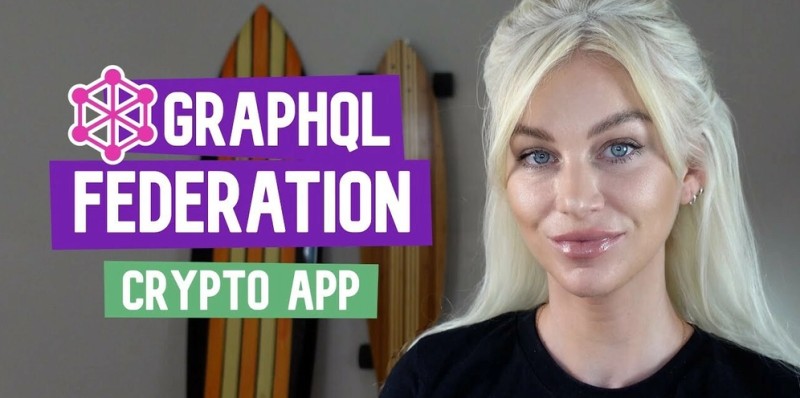
A workshop by Ania Kubów and Cédrick Lunven shows exactly how this works using four main pieces:
Core Stack for the Crypto Application
- React for the wallet frontend and dashboard UI
- Astra DB as a free, serverless database to store data
- GraphQL to query and manage crypto data
- Apollo Federation to combine data from multiple sources
A federated architecture combines schemas from different services into a unified API endpoint.
Choosing the Right Stack
Why React? It’s flexible, component-based, and every developer I know has built something with it. Pair it with a serverless database like Astra DB and you’re already ahead. GraphQL handles the data queries cleanly-way better than juggling dozens of REST endpoints. And Apollo Federation ties everything together when your data lives in more than one place.
Think about it: your crypto application probably needs data from more than one source. Maybe one database has price feeds, another tracks user balances, and a third pulls transaction history. GraphQL lets you request exactly what you need through a single endpoint. Apollo Federation makes that endpoint span multiple databases without the mess of custom glue code.
Setting Up the Database
Astra DB is a serverless option that removes most of the headaches you normally get with databases. No need to spin up machines, manage clusters, or patch software. You create a database, point your app at it, and Astra handles the rest. It works on AWS, Azure, or Google Cloud so you don’t get locked into one provider.
What’s handy is that Astra gives you Stargate built in. Stargate is an open-source gateway that lets you hit your database through REST or GraphQL APIs. The workshop used Stargate’s GraphQL API to create tables, fetch data, and even prototype queries in a playground before wiring things up in code.
Workflow Steps from the Workshop
- Create an Astra DB database for your crypto data
- Create a second database containing dummy data
- Build a React dashboard to display metrics
- Federate data from both databases using GraphQL
- Display the combined cryptocurrency info on the dashboard
Building the Dashboard
React gives you all the tools you need to build a dashboard without wrestling with frameworks that feel like they’re fighting you. Each section of the dashboard can be its own component-balance, transaction list, token holdings. You’re not painting yourself into a corner here.
If your goal is to build something like a crypto digital wallet experience, start simple. Show balances first, add transaction details later. The same logic applies to blockchain wallets of any kind. Don't make the user dig through menus to find their token list or recent activity.
If your application handles wallet functions, users should be able to see balances, transactions, and token info without hunting for it.
Federating Data with Apollo
Apollo Federation doesn’t just combine data-it lets different teams own different pieces without stepping on each other. That matters because in crypto applications, you’re often stitching together data that lives in different systems: on-chain data, user profiles, price feeds, and historical stats.
With Apollo, you define schemas per service and stitch them into one graph. Your React app then queries that graph without caring where the data came from. Apollo handles caching, request batching, and error handling under the hood so you don’t have to reinvent those wheels.
And don’t overlook the impact on performance. Instead of making five separate requests to five different endpoints, your app makes one request to the federated graph and gets everything it needs. That’s less waiting and fewer chances for something to break.
Wallet Infrastructure
A basic crypto application isn’t just about charts and prices. Users expect to see how to get a cryptocurrency wallet integrated directly into the experience. That means handling things like balance queries, transaction signing, and key management-even if your app doesn’t store keys itself.
Some teams roll their own wallet integration flow , while others rely on established players like Trust Wallet or Coinbase’s self custody wallet options. The decision usually comes down to control versus setup time. If you want users to import or link wallets, expect to deal with provider quirks.
Managed services help here. Amazon Managed Blockchain provides connectivity to public chains and indexed data through APIs, so you can track transactions without running your own nodes. It’s the kind of lift that eats dev time fast.
Main Wallet Components Needed
- Secure private-key management
- Transaction creation and broadcasting
- Balance queries for on-chain assets
- Event tracking and status monitoring
- Integration with existing crypto digital wallet providers
Security and Scalability Basics
You don’t have to solve every security problem on day one, but the basics matter. Hash passwords, validate inputs, and never expose private keys in client-side code. Even in a prototype, building habits around secure key management pays off when your crypto application grows.
Scalability questions usually show up after you ship something people actually use. That’s when query performance gets weird or your database starts gasping under load. GraphQL helps-you can limit fields returned per query, and Apollo’s caching cuts down on repeated network calls.
Start small. Ship a working dashboard. Add features one at a time. The worst thing I’ve seen happens when teams try to solve everything upfront and never ship at all.
Keep your seed phrase offline. Never log private keys. Isolate sensitive operations from network-facing code.
Extending the Application
Once your core crypto application is running, you can expand carefully. Add more data sources through additional GraphQL subgraphs. Introduce authentication so users can save preferences or link multiple blockchain wallets.
Consider privacy controls next. Many users won’t want every detail of their holdings visible. Build permissions at the schema level instead of trying to gatekeep in the frontend.
Wrapping the Federation Layer
Apollo Federation works by sitting between your frontend and your backend services. When your app asks for user balances and transaction history that live in separate databases, the gateway routes those queries correctly and merges the results. You define entities with @key directives, extend them across services, and Apollo stitches it all into one unified schema.
This gets messy fast if you don’t plan your schemas well. Keep types clean and let each service own its domain. Wallet data belongs in one place, pricing in another. Apollo handles the joins; you just need to tell it what belongs where.
And don’t ignore the tooling. Apollo’s local schema checks catch composition errors before you merge. Their managed federation features help with observability and uptime once things are live.
Real-World Data Considerations
Public blockchain data is noisy. If your crypto application pulls from Bitcoin or Ethereum directly, you’ll spend a lot of time parsing transactions before they mean anything to users. Indexing layers help but add complexity.
When integrating blockchain wallet data , expect delays. Blocks aren’t instant, and different providers sync differently. Your balance might lag behind what users see in their native wallet app .
Caching decisions matter here. Do you refresh balances every minute or only when the user pulls down the screen? Pick something consistent and stick with it.
Data Sources You Might Need
- Price feeds from crypto aggregators
- User balances via on-chain contracts
- Transaction history from block explorers
- Token metadata and contract info
- Off-chain data like NFT metadata
Most crypto applications fail because they try to be perfect before launch. Pick a stack that’s easy to reason about, ship a feature, then iterate. The tools are there now-React, Astra DB, GraphQL, Apollo-to handle most of the heavy lifting so you can focus on what actually matters to users.
Comments on “Step-by-Step Guide to Creating Your Own Crypto Application Without Hassle”
No comments yet. Be the first to share your thoughts.