How P2P Exchange Crypto Works When You Trade Directly With Another Person (No Middleman, Just a Bored Lifeguard)
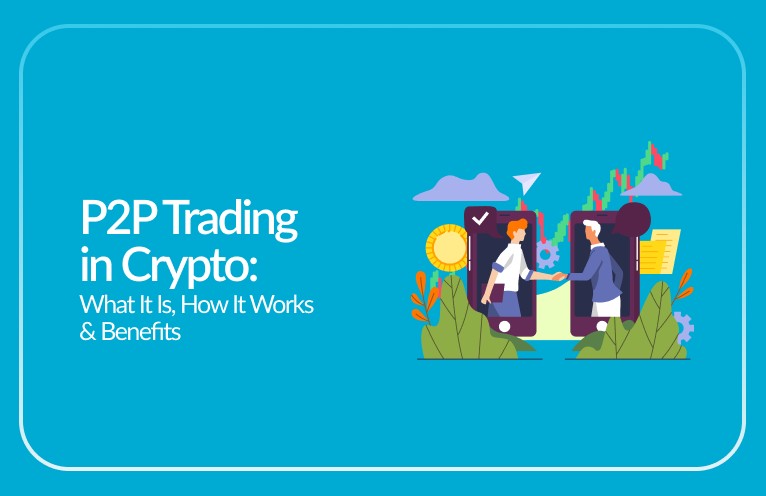
What Is P2P Exchange Crypto Anyway? (No Math Test Required)
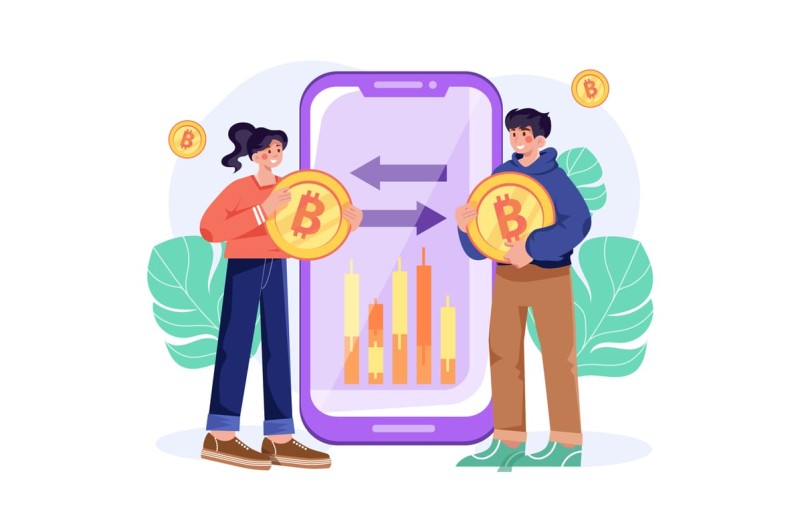
I used to think p2p exchange crypto sounded like jargon, but it turns out it's just you trading coins directly with another human. No middleman, no fuss. The platform sits there like a bored lifeguard, making sure no one nibbles your funds while you swap with a stranger. And that's the whole idea behind the thing. You and another person agree on a trade, and the system just keeps it fair.
This kind of setup is part of what folks call non centralized crypto exchanges, though some of those still help with the safety parts. The point is you are not yelling into a big central order book. You post what you want, another person picks it up, and you two do the deal. Simple as that, no surprise quiz at the end.
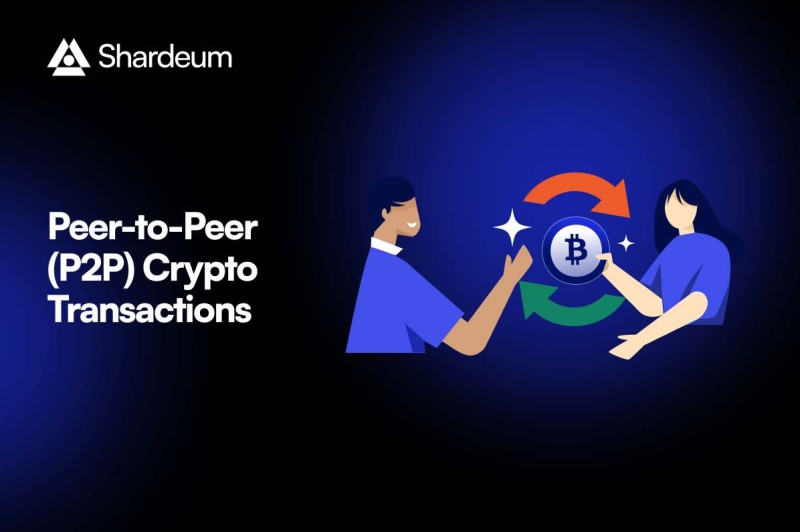
A p2p exchange crypto marketplace lets users trade crypto directly with other users. The platform doesn't need to be the other side of your trade. Instead it gives tools to post offers, filter listings, talk safe, and finish trades with protection. That's a big shift from a normal exchange that matches everything through its own books.
How A P2P Crypto Trade Actually Works
The flow is pretty clear once you see it. A seller posts an offer with the coin, price, payment route, and trade limits. A buyer browses and picks a match. Then escrow steps in and locks the seller's crypto so neither side can vanish. The buyer sends fiat the agreed way, like a bank wire or app.
After the seller sees the money in their own bank account, the platform drops the digital coins into the buyer's wallet. Most p2p exchange crypto flows rely on this escrow step. It's the backbone of safety, honestly. If something breaks, the platform can step in through a dispute path.
Escrow is the backbone of safety. The platform should lock funds reliably and track every trade stage with a clear state machine.
Some sources say the trade can be done in person or online. The buyer and seller meet direct to exchange coin for fiat or another coin. Once both accounts are set up, they can move funds via bank or card. The money shows as pending until it clears, often about a day but sometimes longer based on account type.
Why People Use P2P Exchange Crypto
There are real reasons folks like this model. You get flexible pricing and settlement. Buyers and sellers pick from many listed offers and payment methods the platform supports. That helps in places where card rails are limited or just not liked.
Payment flexibility is a big one. Many p2p platforms support bank transfers, e-wallets, local options, PayPal, cash, even gift cards. The exact list depends on platform rules and local law. Direct buyer-seller talk means you transact without a central engine matching for you.
You also see lower fees thrown around a lot. P2P platforms often charge less than traditional exchanges because the middleman is cut out. Some talk about crypto with no fees when direct trades skip the cut. And enhanced privacy matters to some users since you don't hand sensitive info to a central authority.
Main draws of p2p exchange crypto
- Flexible pricing and many settlement methods
- Broad payment options like bank, e-wallet, cash
- Direct talk between buyer and seller
- Lower fees and sometimes crypto with no fees
- More privacy, less central data hoarding
Escrow And The Bored Lifeguard
The platform acts like a bored lifeguard, not a central counterparty. It may hold the seller's crypto in escrow and give verification and dispute tools. That trust layer is what lets strangers trade without guessing what happens next.
Good escrow tracks states like funds locked, payment pending, payment marked, released, cancelled, disputed. Timeout logic matters a lot. If a buyer doesn't pay on time, the trade should expire. If a seller goes quiet, escalation rules should exist so funds aren't stuck with no path forward.
A good P2P exchange is basically a trust system. It creates clear rules, visible trade statuses, and consistent enforcement.
Onboard is one example. Its process matches a buyer to a regional seller, sets up escrow, and releases coin after funds confirm. With Onboard in Coinbase Wallet, a user can buy with local money from seller merchants fast, and no ID check if under a set USD amount total. That's a clean show of escrow doing the lift.
Features You Want On A P2P Platform
Trade starts with offers. Users need to make listings with price, limits, payment methods, timing rules. Buyers need strong filters to find "bank only" or "fast release" or "verified seller". Clarity is everything, the UI should show price, min/max size, payment window, seller conditions up front.
Reputation and verification signals users understand are needed. Reputation should reflect real behavior: done trades, dispute outcomes, cancel patterns, account history. Verification can be optional or required, but rules stay consistent. Risky payment methods may get stricter limits until trust is earned.
Dispute resolution and admin tooling are part of the product. A clean dispute system with evidence, time rules, transparent outcome is needed. On the admin side, logs, chat history, payment proof, user flags, decision templates cut cost. And secure chat matters because scammers push talks off-platform.
Key platform features
- Offer creation with price, limits, payment, timing
- Strong buyer filters for match fit
- Escrow with state tracking and timeouts
- Reputation from real trade behavior
- Dispute workflow with evidence rules
- Monitored in-trade chat to block off-platform scams
P2P Vs Traditional Crypto Trading
The two models serve different needs. P2P doesn't rely on a central order book for execution, but a platform may still give escrow, verification, dispute support. A centralized exchange matches and executes trades for users through its own system.
Custody is different too. In P2P, the seller's asset is typically locked in escrow during the deal. CEX users deposit assets to the exchange wallet before trading. Fees vary: P2P may be lower direct, but total cost depends on spread, payment method, policy. CEXs usually show trading and withdrawal fees plain.
Speed is the big gap. CEX trades execute in milliseconds. P2P needs manual confirmation and can take minutes to hours, or days per some sources. Payment options: P2P often supports more local and global rails. CEXs stick to deposit rails they support. When someone asks what is the best app for crypto trading, the answer depends on whether they want speed or control.
P2P trading involves direct transactions between users with manual settlement, while exchanges use automated order books for fast and instant trade execution.
Benefits And Advantages Of P2P Trading
Several advantages make p2p exchange crypto a useful add to central platforms. You get access across regions, connecting users across borders, though local law and banking access apply. Global reach gives more trade chances and often better prices.
Secure transactions come from escrow, encryption, two-factor auth. Use cases include safe trade at a rate you want, helpful for tokens lacking liquidity where exchange swap would slip bad. Arbitrage is common: buy low in one place, sell high elsewhere. And decentralization puts control of funds in your hands.
Some say P2P settles faster than old finance because intermediaries are gone. Others note slower speed from manual steps. Both views are in the source. The marketplace model grows with community as experienced traders post listings that help pricing and availability.
Advantages at a glance
- Flexible pricing and local settlement
- Many payment types including cash and e-wallet
- Direct interaction, less central control
- Lower fees, sometimes crypto with no fees
- Cross-region access and privacy
- Arbitrage and illiquid token trades
Risks And Safety In P2P Exchange Crypto
Despite the upsides, p2p exchange crypto carries risk. Counterparty fraud is common: fake payment confirmations, chargeback scams. You must see full settlement in your own account before releasing escrowed funds. Don't trust a screenshot, ever.
Slower settlement is real. P2P needs manual confirmation, larger trades can take long. Low liquidity on niche pairs means no match for uncommon assets or big orders. Off-platform chat is dangerous, it bypasses built-in protection. Scammers love pulling you to unmonitored channels.
User negligence hurts. Double-check counterparty address, don't pay duplicate orders. Verification of trading partners is on you. Escrow reduces but doesn't kill risk. And platform dependence remains since you lean on its escrow, dispute, compliance during the trade.
Payment must be fully settled in your own account before releasing escrowed funds.
Safety measures I'd lean on
- Trade only with reviewed counterparties
- Never pay duplicate orders
- Check address before sending money
- Confirm full settlement before release
- Use escrow, dispute, verification platforms
- Start small to learn the flow
- Keep talks on-platform in monitored chat
Starting P2P Trading As A Beginner
The entry is accessible but demands security discipline. Pick a reputable platform with escrow, dispute, verification. Start with small trades to learn. Check reputation score and trade history before committing. Confirm full payment in your own account before releasing crypto.
To initiate on some platforms, you register as seller, upload KYC docs, wait approval, then buy or sell from listed sellers. You can also post requests on social media or dedicated sites. For an online crypto trading platform, the signup may be lighter but the safety steps stay the same.
If you're new and wondering about the best platform to trade crypto for beginners, look for escrow and clear dispute paths first, not just low fees. A clean UI and responsive support help too. Cwallet is one toolkit mixing centralized and decentralized bits with bot features and fast P2P. Bitmama is a secure marketplace with virtual dollar cards via its app.
Onboard with Coinbase Wallet is an onramp option. Users buy with local currency from seller merchants. Nigeria was the first market, then more countries planned. Purchase can be fast with no ID verification under a set USD total. That's a real example of p2p exchange crypto reaching people without long checks.
Regional Access And Local Payments
P2P platforms support many local payment methods because buyers and sellers agree on rails direct. This helps regions where card payments or standard ramps are limited, pricey, or not liked. Onboard's protocol connects local buyers and sellers in different markets, first Nigeria, then a broad country list.
Some sources say p2p exchange crypto can be more profitable than traditional exchanges because no middleman takes a cut, and direct trades may have no fees. But the best p2p exchange should still have good UI, support, security, active community. A pretty front page means nothing if disputes sit unanswered.
For users asking about crypto trading apps in usa, availability depends on local law and platform policy. Not every app serves every region. And dex trading coinbase style via wallet integrations shows how p2p can sit inside a bigger product without a central order book doing the match.
Types Of P2P Networks Beyond Crypto
Beyond crypto, P2P networks come in types. File-sharing networks are the popular kind, used to share large files like movies and music direct between users. Telephony or VoIP lets people speak without a central server or phone company, including video and instant msg.
Media streaming is another type. P2P media streaming is used by big services to deliver content. These show the core idea is old: users connect direct, no central keeper. Crypto just borrowed the shape and added escrow so strangers don't rob each other.
Common P2P network types
- File-sharing for large media direct
- VoIP and video without central phone co
- Media streaming delivery
- Crypto trade networks with escrow layer
Building A P2P Exchange Platform
Building a p2p exchange takes defined steps. Step one: define MVP scope and marketplace rules. Pick assets, often one or two major coins, set allowed payments, trade size caps for new users, strict payment windows, limits on concurrent trades. Prove strangers can trade safe and predictable.
Step two: design escrow engine and trade state machine. Define lifecycle: what triggers lock, what counts as payment made, what if seller unresponsive, when dispute starts, what evidence required. Custodial or on-chain escrow, strict tracking, audit logs, mismatch protection.
Step three: build marketplace and UX. Listings, search, filters, trade screen. Guide users with clean flow, repeat key info each stage: payment method, steps, time left, what next. Mobile-first because much volume comes from phones. Step four: add trust, risk controls, dispute tooling. Step five: test real scenarios, launch in stages.
A P2P exchange is not just a marketplace but a trust product.
Dev steps that matter
- Define MVP rules and allowed payments
- Build escrow with state machine
- Make mobile-first trade UX
- Add reputation and risk labels
- Simulate scams, then launch small
Risk Controls That Keep Strangers Honest
Practical risk controls from the source are simple but firm. Trade limits for new accounts lower early fraud. Escrow time rules with clear windows prevent stuck trades. Reputation-weighted visibility ranks trusted sellers higher. Payment method risk labeling shows which are reversible or abused.
Dispute evidence standards with a consistent checklist make resolutions faster. The platform should never leave you guessing. If a buyer doesn't pay, trade expires. If seller doesn't respond, escalation exists. The goal is no funds stuck with no clear path forward, which is the worst outcome in p2p exchange crypto.
Cwallet shows combined central and decentralized features for P2P, with bot tipping and community tools. That's one way platforms try to keep users engaged while still doing the trust work underneath. But the safety parts, not the bots, are what make or break it.
Platform Examples And What They Do
Shark Exchange is described as a VDA derivatives platform with crypto futures and options. Its disclosures state it does not facilitate spot trading and is not a P2P marketplace. It may be a next-step venue for experienced traders, but it's not the bored lifeguard model we talk about here.
Onboard integrated with Coinbase Wallet gives an onramp. Coinbase Wallet users buy with local currency from seller merchants. Nigeria first, then many countries. Fast purchase, no ID under set USD total. This shows p2p exchange crypto can sit inside a wallet without feeling like a separate exchange.
Bitmama offers a secure marketplace for crypto users, with virtual dollar cards for online pay via app. Cwallet offers combined features and bot-enabled community management. If you search trading cryptocurrency app lists, these show up as broader tools rather than pure p2p, but they touch the model.
Platform notes
- Shark Exchange: derivatives only, not P2P
- Onboard: wallet onramp with local sellers
- Bitmama: marketplace plus virtual cards
- Cwallet: mixed features with bot tools
Tax And Compliance Notes
In India, before trading, account for tax and compliance. Income from transfer of virtual digital assets falls under the VDA tax framework, and TDS rules may apply based on structure and threshold. P2P trading is subject to those crypto tax rules, gains taxed, TDS possible.
This doesn't change the trade mechanics but it changes your net. The source points this out for India specifically. Other regions have their own law. Don't let the bored lifeguard distract you from the tax man, he shows up too. Keep records of trades and payments clear.
Some lists like Top 10 crypto exchanges rank platforms by volume or features, but for p2p exchange crypto the trust layer matters more than a spot on a chart. And best app to buy stocks and crypto may bundle things, yet the direct trade safety is what we care about here.
Why The Lifeguard Model Sticks
Users choose p2p exchange crypto for flexible payments and control over terms. They stay only if safety stays consistent and fair. A platform can talk decentralization all day, but if disputes rot, folks leave. The trust system is the product, not a side feature.
Focus on tight MVP, prioritize safety, build escrow methodically, set operational tooling, stage rollout. That's the source's plain advice. And for a regular person like me, it means I can trade with a stranger without fearing the funds vanish mid-swap.
Users choose P2P for flexible payments and control over terms, but they stay only if safety mechanisms remain consistent and fair.
If you're comparing an online crypto trading platform to a direct trade setup, weigh control against speed. CEX is milliseconds, p2p is manual but you set the terms. Neither is evil, they just serve different needs. And sometimes crypto with no fees sounds great until a scam eats the savings.
Common Questions People Actually Ask
Folks wonder what is the best app for crypto trading when they hear p2p. The honest answer: if you want direct trades with local pay, pick one with escrow and dispute paths. If you want fast matches, a CEX fits. Don't let a label fool you, check the trade flow.
People also ask about dex trading coinbase and how that relates. Wallet integrations like Onboard show p2p inside a bigger app, no central book needed for the match. And crypto trading apps in usa vary by state law, so availability isn't uniform. A non centralized crypto exchanges list helps but read the fine print.
Someone might look up best platform to trade crypto for beginners and land on big names. Forp2p exchange crypto, start small, use reputation filters, keep chat on-platform. And trading cryptocurrency app choices should be judged on dispute speed, not just pretty buttons.
Quick answers
- Best app depends on escrow and dispute, not hype
- Dex trading coinbase shows wallet-based p2p
- USA app access varies by state law
- Beginners should start with small trades
Watching Out For Scams
Scammers try fake payment confirmations and chargeback tricks. They may place consecutive orders for identical amounts to cause confusion and duplicate payments. User negligence is a real cause of loss, so double-check the counterparty address and don't pay twice.
Moving trade talk off-platform is a red flag. Social engineering thrives in unmonitored channels. The in-trade chat should be protected and monitored. Strong warnings for risky actions, like releasing escrow too early, reduce losses. Hey, don't skip this part, it's where people get burned.
Scammers often try to move conversations off-platform.
If a deal feels pushy or weird, step back. Confirm funds in your own account, not a pic. The bored lifeguard only watches the pool, not the alley. Keep the trade where the platform can see it and you'll be fine most days.
Final Thoughts On P2P Exchange Crypto
I once feared p2p exchange crypto the way I feared a surprise math test. Turns out it's just folks swapping coins with each other. The platform sits there like a bored lifeguard, making sure no middleman nibbles your funds. That's the whole deal.
Whether you use an online crypto trading platform or a direct trade setup, the core is people trading direct with a trust layer. Top 10 crypto exchanges may grab eyes, but p2p exchange crypto lives on escrow, clear rules, and consistent enforcement. That's what keeps strangers honest.
If you're new, pick a platform with escrow and start small. Check reputation, keep chat on-platform, confirm payment before release. And if someone mentions best app to buy stocks and crypto in the same breath as p2p, just remember the safety parts are what matter for direct trades.

Comments on “How P2P Exchange Crypto Works When You Trade Directly With Another Person (No Middleman, Just a Bored Lifeguard)”
No comments yet. Be the first to share your thoughts.